UltraClear has quickly become one of the most talked-about lasers in aesthetic medicine, but the name doesn’t tell you much about what it actually does. UltraClear is a cold fibre laser that can be adjusted from a gentle “glow up” to deep resurfacing, using a technology called 3D MIRACL to treat several layers of skin in a single pass.
Here’s what UltraClear is, how the technology works, and who it suits.
Most resurfacing lasers work by heating the skin. UltraClear takes a different approach, and three features explain why.
In a fibre laser, the light is generated and guided through a specialised optical fibre. This produces a very fine, consistent beam that can be controlled precisely and pulsed extremely quickly. In practice, that means accurate, even treatment patterns delivered in a short time.
UltraClear works at 2910nm, a wavelength absorbed very strongly by the water in skin cells. Because the energy is absorbed so efficiently, the laser can vaporise tiny targeted columns of tissue cleanly, with little leftover heat spreading into surrounding skin. This is what makes it a “cold” ablative laser.
Rather than removing the whole surface of the skin, UltraClear treats a pattern of microscopic spots and leaves healthy skin in between. Those untreated areas help the skin heal faster, which is one reason recovery is shorter than with fully ablative resurfacing.
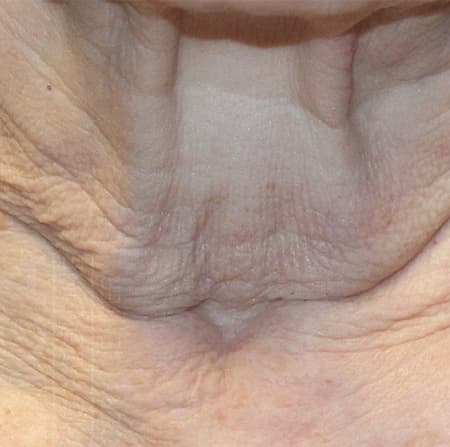
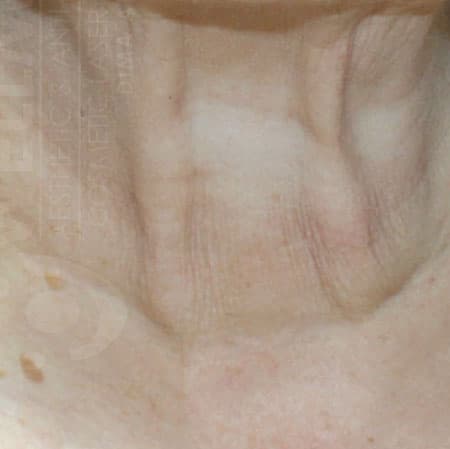
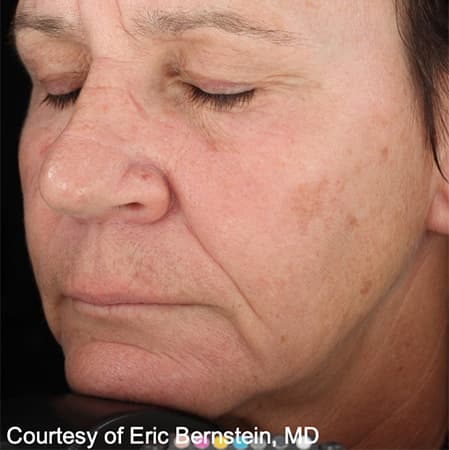
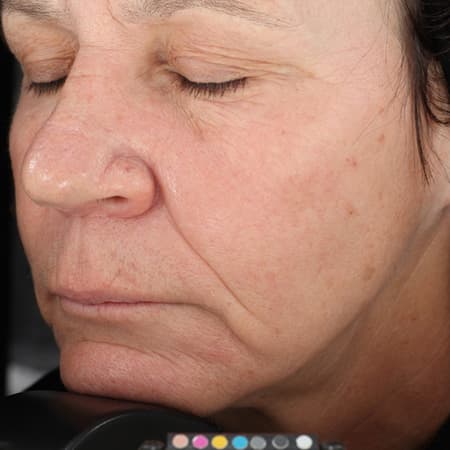
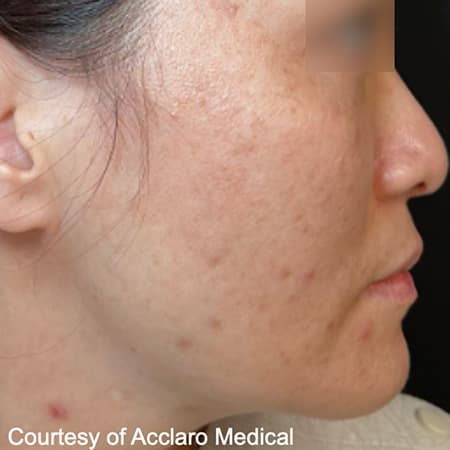
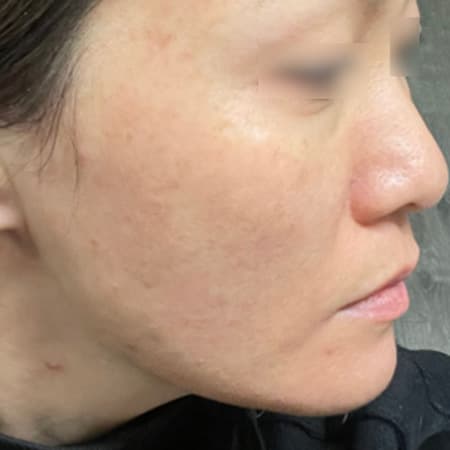
MIRACL stands for Mid-IR Ablative Cold Fiber Laser, which describes the technology above. The “3D” refers to how the energy is delivered through the layers of the skin.
When UltraClear fires a deeper pulse, it splits it into very short sub-pulses. A cold ablative sub-pulse gently removes a microscopic column of damaged surface skin, and it is followed by controlled heating sub-pulses at different depths in the dermis. Instead of working at one level, the laser stimulates collagen remodelling at several depths at once, which is where the idea of three-dimensional treatment comes from. Delivering energy in short bursts also helps keep the treatment comfortable.
You will also see the name 3D MIRACL used for UltraClear’s lightest treatment mode, often called “the glow up”. This is a quick, gentle session that works on the uppermost layer of the skin to brighten dull skin, soften fine lines and fade superficial pigmentation, with little or no downtime.

UltraClear’s versatility doesn’t come from switching between different technologies. It comes from adjusting how deep the laser works, how dense the treatment pattern is and how much heat is delivered alongside the ablation. That lets one device cover very different needs.
| Mode at Skin Medical | Depth and intensity | Typical downtime | Often chosen for |
|---|---|---|---|
| 3D Miracl | Light, surface level | Little to none | Dullness, fine lines, superficial pigmentation, pre-event glow |
| Clear Plus | Light to moderate | Minimal | Overall skin quality with minimal disruption |
| UltraClear | Moderate to deep | Around 12 to 24 hours, or a few days for deeper settings | Wrinkles, sun damage, pigmentation, acne scars, texture |
| Laser Coring | Deep, with micro-coring | A few days | Sagging skin, jowls and deep lines |
| UltraClear Plus | Comprehensive multi-pass | A few days | Patients wanting the most complete renewal programme |
Because it works at several depths, UltraClear can address a number of concerns together, including:
Melasma can also be treated, but it needs careful assessment and conservative settings, as it can be stubborn and prone to recurrence.
Many older resurfacing lasers rely on bulk heat. Heat can be very effective at tightening and resurfacing, but it also causes more inflammation, which can mean longer redness, more discomfort and a higher risk of post-inflammatory hyperpigmentation, especially in darker skin tones.
UltraClear is designed to separate the two jobs. Cold ablation removes damaged tissue with minimal heat, while a measured amount of heat is placed exactly where it is needed to stimulate collagen. The result is a laser that can be adjusted precisely to your skin, with:
That doesn’t mean UltraClear replaces every other device. For some patients, another treatment will still be the better fit. If you would like a detailed comparison, our blogs on UltraClear vs CO2 laser and UltraClear vs EndoLift go through the differences in detail.
Every treatment begins with a skin consultation and assessment. On the day, your skin is cleansed and numbing cream is applied where appropriate. The laser treatment itself usually takes around 30 minutes. Most people describe the sensation as mild heat or tingling.
Afterwards, redness, warmth and mild sensitivity are normal, and for most treatment modes they settle within 12 to 24 hours. Deeper treatments such as laser coring can involve a few days of visible recovery, with a slightly bronzed or textured look as old skin sheds. Daily SPF 30 or above is essential afterwards.
Initial improvements in brightness and texture usually appear within four to five days as the skin heals. Collagen remodelling continues for several months, so results keep building over the following weeks and months. Lighter treatments such as 3D Miracl give a refreshed glow that may last a few months, while results from deeper modes may last one to three years with good skincare and sun protection.
UltraClear may suit you if you:
Treatment may not be suitable if you have an active skin infection, cold sore, open wounds or broken skin in the area, recent significant sun exposure, or certain skin conditions or medications. These are all checked at your consultation.
UltraClear is one of several skin treatments on our menu, and it isn’t automatically the right choice for everyone. At your consultation, your doctor will look at your skin type, your main concerns, how much downtime you can manage and what you want to achieve.
For example, someone with mainly redness or thread veins may be better suited to Vbeam laser, while someone focused on skin tightening without resurfacing might consider radiofrequency treatments such as Secret RF. Sometimes the best result comes from combining UltraClear with medical-grade skincare or injectables. As we explain in our article on why UltraClear works with doctor-led training, choosing the right mode and settings matters as much as the device itself.
Skin Medical is a multi-award-winning, doctor-led clinic at the William Old Centre, Ducks Hill Road, Northwood HA6 2NP, with free on-site parking. Our UltraClear patients visit from across London and nearby areas including Watford, St Albans, Pinner, Ruislip, Harrow, Amersham and Beaconsfield.
UltraClear is an FDA-cleared cold, ablative, fractional fibre laser. It removes microscopic columns of damaged skin while delivering controlled heat to deeper layers to stimulate collagen. Because it produces less excess heat than traditional resurfacing lasers, it can treat texture, tone, pigmentation, fine lines and mild laxity with shorter downtime and is suitable for all skin types.
MIRACL stands for Mid-IR Ablative Cold Fiber Laser. The 3D refers to how UltraClear delivers energy at several depths of the skin in one pass, combining cold ablation at the surface with controlled heating deeper in the dermis. 3D MIRACL is also the name of UltraClear’s gentlest treatment mode, a quick glow-up session with little or no downtime.
No. UltraClear is a laser, not a radiofrequency device. It uses a single 2910nm wavelength, and its versatility comes from adjusting the depth, density and amount of heat delivered. If radiofrequency would suit your skin better, for example for tightening without resurfacing, your doctor can discuss other options at your consultation.
UltraClear is suitable for all skin types and tones when properly assessed. Because its cold ablation creates less excess heat than traditional lasers, the risk of post-inflammatory hyperpigmentation is lower. Your doctor will still assess your skin carefully and choose appropriate settings, especially if you are prone to pigmentation.
Most patients describe the sensation as mild heat or tingling. Numbing cream is usually applied beforehand, and the laser’s short, split pulses help keep treatment comfortable. Deeper modes can feel more intense, but your doctor will check in with you throughout and adjust the treatment where needed.
For most UltraClear modes, redness, warmth and sensitivity settle within 12 to 24 hours. Deeper treatments, such as laser coring or UltraClear Plus, can involve a few days of visible recovery. Lighter 3D Miracl sessions have little or no downtime, which makes them a popular choice before events.
This depends on the mode and your goals. Some patients see the result they want after one or two sessions of a deeper treatment, while others choose a course of lighter 3D Miracl sessions for gradual improvement and maintenance. Your doctor will recommend a plan at your consultation.
UltraClear cost depends on the treatment mode, area and number of sessions. At Skin Medical, 3D Miracl starts from £350 per session, full-face UltraClear is £2,000 and face laser coring is £3,500. Your doctor will confirm a personalised price at your consultation, and you can view all current prices on our pricing page.
If you would like to know whether UltraClear is right for your skin, the best first step is a consultation with one of our doctors. We will assess your skin, explain which treatment mode suits you and recommend a plan around your goals. Visit our UltraClear page to learn more, or contact us on 01923 590 057 to book.