Worried about excessive sweating, discomfort, and loss of confidence?
Sweating is the body’s response to being hot or feeling nervous. The nervous system automatically activates the sweat glands when body temperature rises and the person is cooled by evaporation. When sweating occurs in response to a heightened nervous state, the body responds by releasing the hormones adrenaline and cortisol, and this leads to activation of the sweat glands.
All perfectly normal, but for some people excessive sweating, when it becomes very noticeable on clothing for example, can lead to feelings of embarrassment and have a negative impact on self-confidence. However, there are solutions to be found for both mild and excessive sweat problems.
Find out how we can help you with your excessive sweating and see if botox is the right treatment for you.
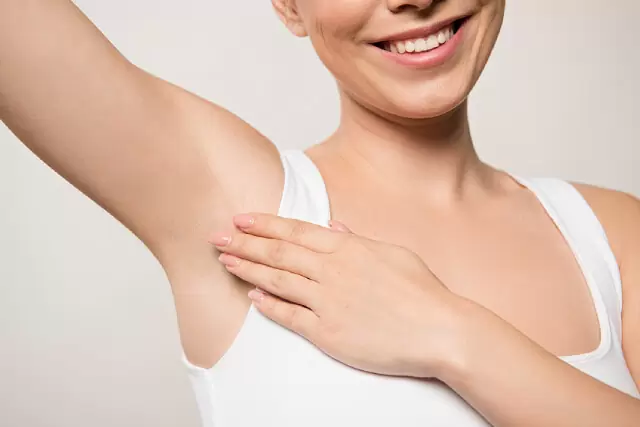
Sweat glands exist all over the body, but the armpits tend to be especially sweaty because they have a higher density of sweat glands, including apocrine glands that produce odour. Axillary hyperhidrosis (axillary means pertaining to the armpits), is the term for excessive sweating under the arms, which often leads to further discomfort and self-consciousness if not treated.
If you are feeling conscious get advice and treatment for your sweaty armpits at Skin Medical. Dr Sabika is an expert having used botox for 2 decades.
 PROCEDURE TIME: 30-60 MINUTES
 NUMBER OF TREATMENTS: 1
 ANAESTHETIC: LOCAL
 SIDE EFFECTS: BRUISING, SWELLING
 RESULTS: IMMEDIATE
 DURATION OF RESULTS: 6-12+ MONTHS
A prescription-strength antiperspirant containing aluminium chloride may prove more effective than ordinary antiperspirant products for patients experiencing excessive sweating. The use of absorbent powders or antiperspirant wipes can also help keep the underarm dry, especially for busy people.
Following sweat reduction treatment at Skin Medical, some mild bruising and swelling at the injection sites is entirely normal and typically settles within a few days. Most patients can return to their normal routine immediately after their appointment. A noticeable reduction in sweating is typically experienced within a few days of treatment, with full results becoming apparent over one to two weeks. Results last between six and twelve months or longer, with maintenance treatments recommended to sustain the improvement over time.
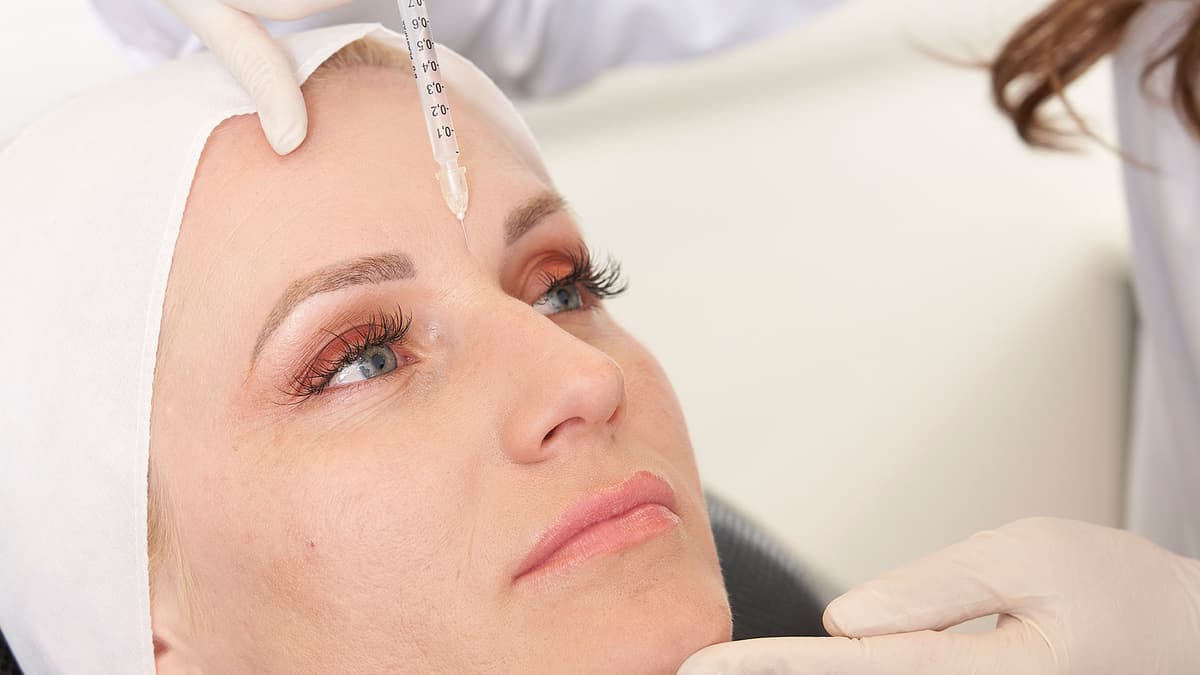
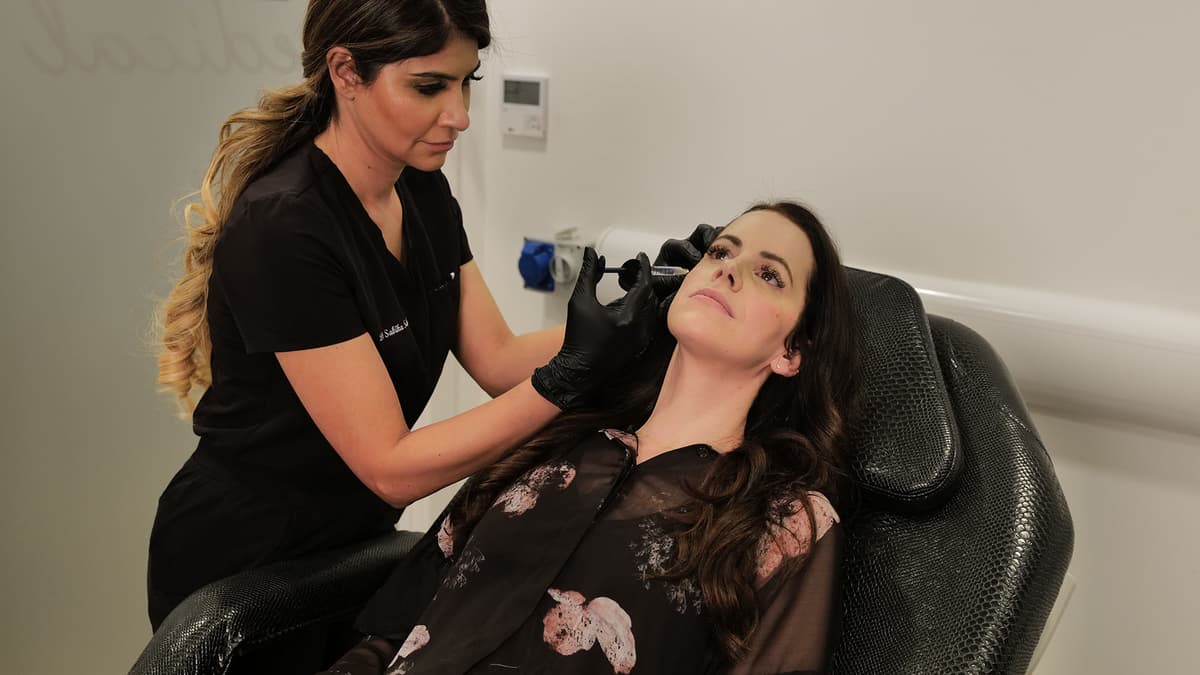
Sweat reduction at Skin Medical uses botulinum toxin injections to temporarily block the nerve signals that activate the sweat glands, significantly reducing excessive sweating in areas such as the armpits, hands, feet and face. The treatment is quick, minimally invasive and highly effective, helping to restore comfort and confidence in daily life. All treatments are performed by Dr Sabika Karim, who has over two decades of experience using botulinum toxin for sweat reduction. A consultation is compulsory before all treatments at Skin Medical.
To prepare for your sweat reduction appointment at Skin Medical:
During your appointment:
Sweat reduction treatment is a well-tolerated procedure with minimal downtime for most patients.
You may experience:
These effects are entirely normal and should settle quickly. Most patients are able to leave the clinic and carry on with their day as normal immediately after treatment.
To allow the treatment to settle correctly and achieve the best possible result, please follow these aftercare instructions in the 24 hours following your appointment.
Sweat reduction treatment works by temporarily blocking the nerve signals that stimulate the sweat glands.
Your practitioner will advise on the most appropriate timing for follow-up treatments based on how long your results last and your individual needs.
Suitability should always be assessed during a full consultation with Dr Karim. Treatment may not be appropriate if you have certain neuromuscular conditions such as myasthenia gravis, a known allergy to botulinum toxin or any components of the product, active skin infections in the treatment area, or are pregnant or breastfeeding.
Sweat reduction treatment is a safe and well-established procedure when performed by an experienced medical professional. However, please contact Skin Medical if you experience:
We are here to support you following your treatment and to answer any questions during your recovery and beyond.