Doctor-led mole removal and earlobe repair in Northwood, London. Quick procedures under local anaesthetic, with fine techniques for neat, discreet results.
Our minor surgery service is for anyone with a mole they want removed or checked, or an earlobe that has torn, split or stretched. Some patients come for cosmetic reasons, others because a mole has changed or an earlobe can no longer hold an earring. Every patient is examined by a doctor first, and we only proceed if the procedure is appropriate and safe.
Our minor surgery service is for patients with a torn, split or stretched earlobe, and for anyone with a mole they would like removed or checked. Some come for cosmetic reasons; others because a mole has changed or an earlobe can no longer hold an earring.
Both are short procedures under local anaesthetic, and most patients return to work the same or next day. A torn earlobe is usually repaired in one appointment with fine stitches, and earrings can typically be worn again after re-piercing at 6 to 8 weeks. Moles are removed by shave or excision depending on their type, and every one is sent for histology.
Every patient is examined by a doctor first. We only go ahead when the procedure is appropriate and safe for you, and we will tell you if another option or a referral would be better.
Earlobes contain no cartilage, so they stretch and tear more easily than many people expect. Heavy earrings worn over years, a sudden pull from a child or clothing, and gauges can all cause damage. Once the edges of a tear have healed over, it will not close on its own, but it can usually be repaired in a single short appointment.
| Repair type | Suitable for | What it involves |
|---|---|---|
Elongated piercing repair | A piercing hole that has lengthened but not split through | The stretched piercing channel is removed and the lobe is closed with fine stitches |
Complete split repair | An earlobe torn all the way through | The edges are freshened and closed in layers, often with a small zig-zag or notch technique to help prevent a dip forming along the lower edge |
Stretched (gauged) earlobe repair | Lobes stretched by gauges or flesh tunnels | Excess stretched skin is removed and the lobe is reshaped to a natural size and contour |
Earlobe keloid removal | Raised, firm scar tissue that has grown from a piercing | The keloid is removed surgically, combined with steroid injections to reduce the chance of it returning |
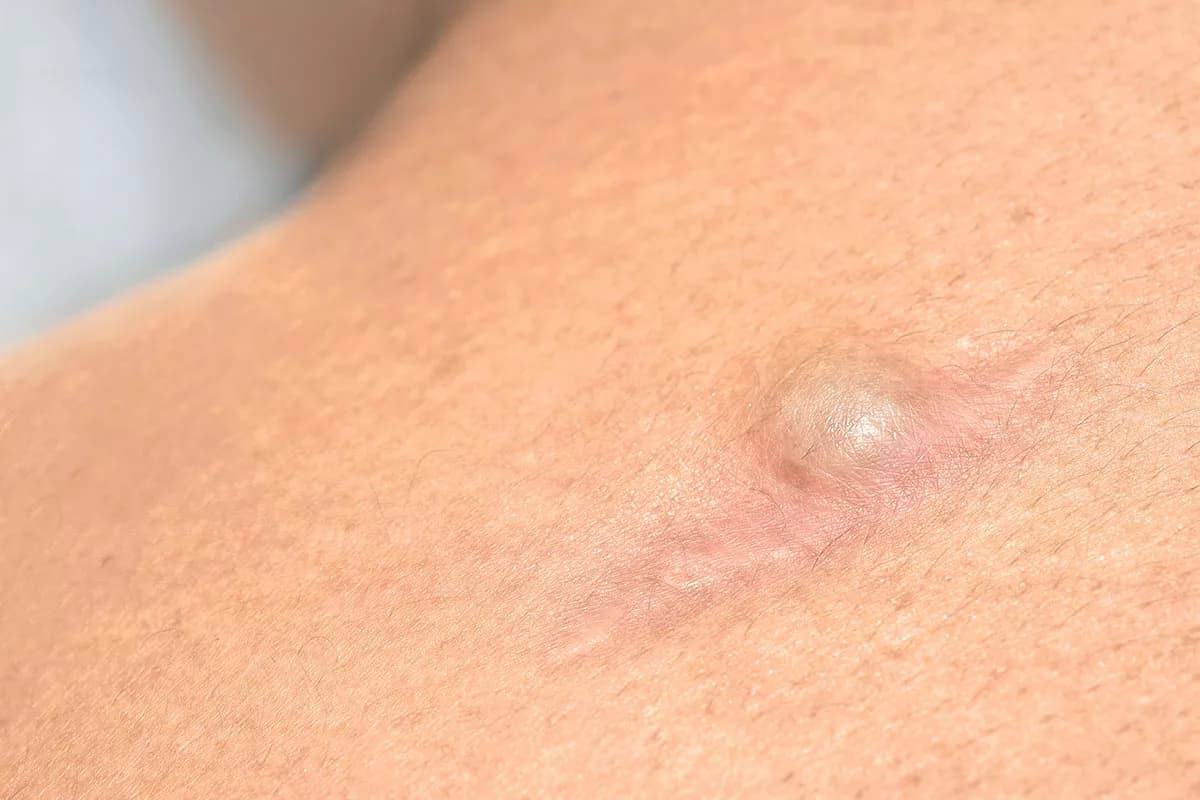
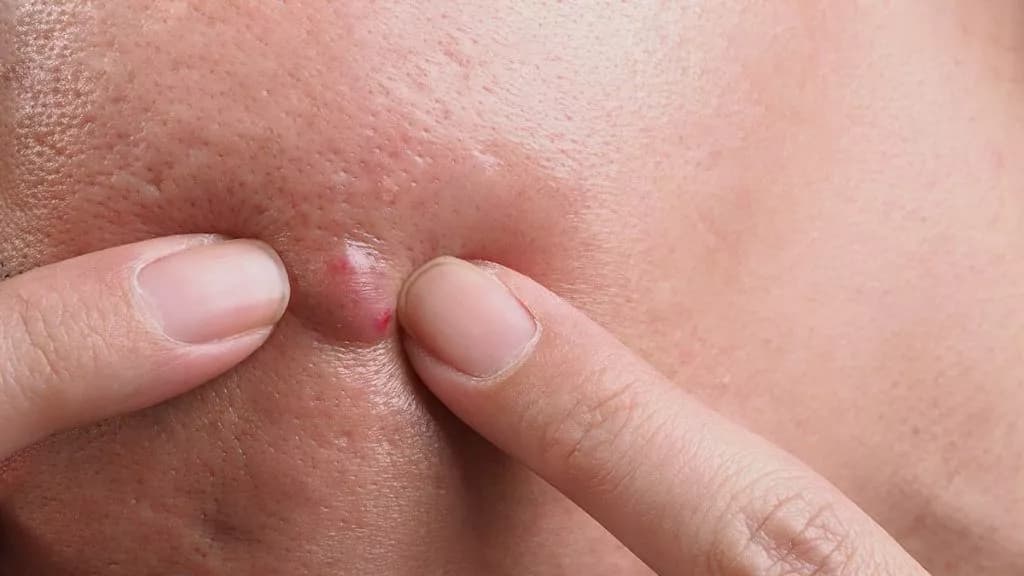
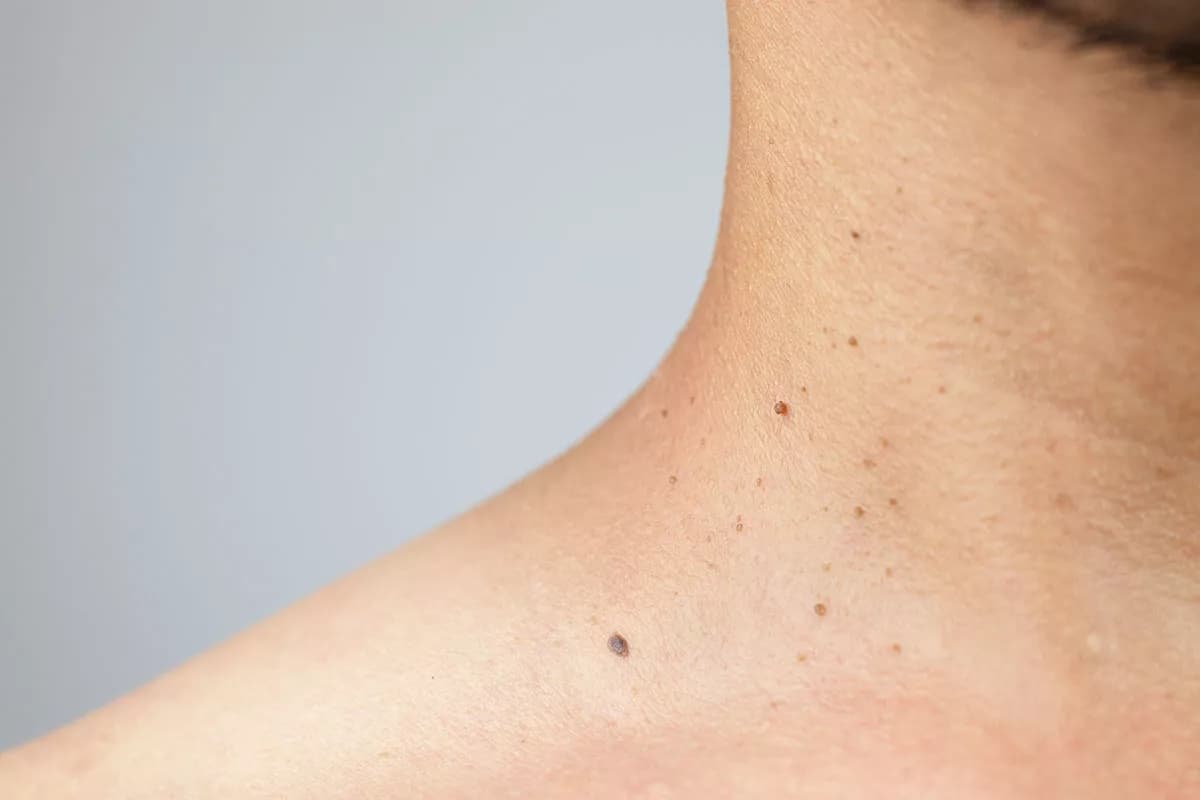
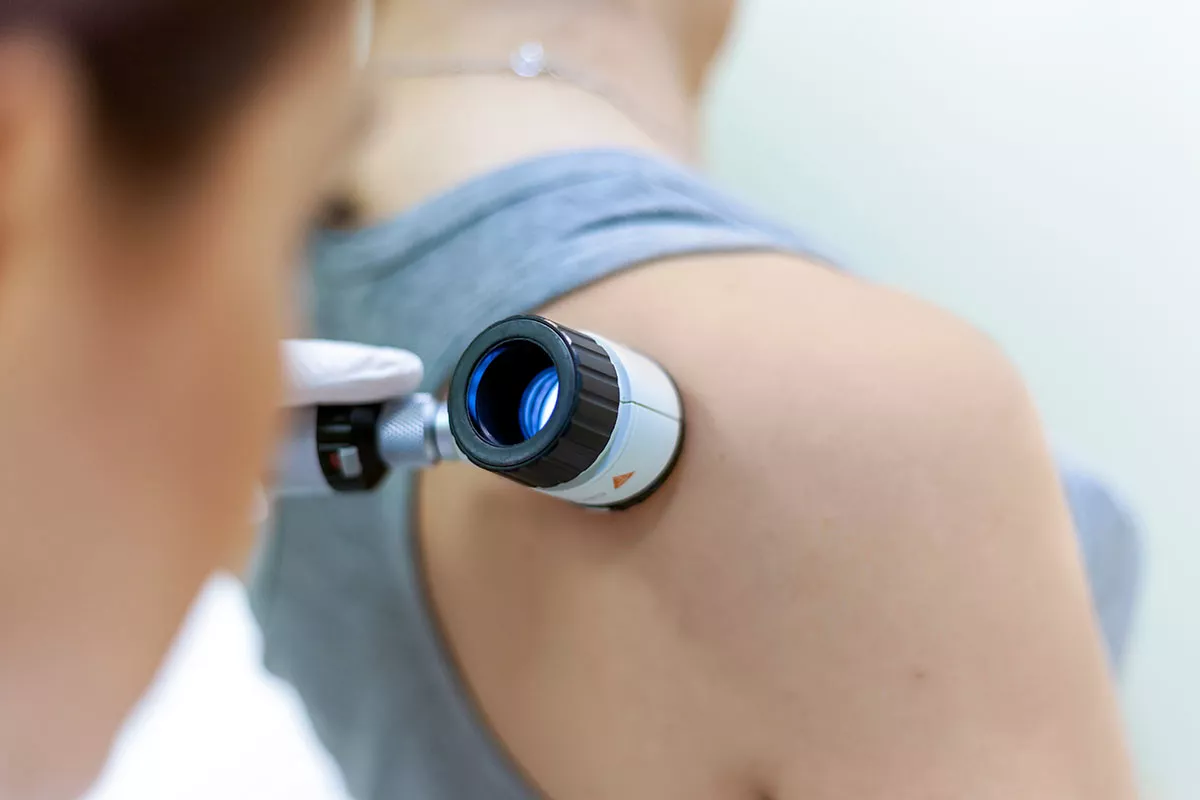
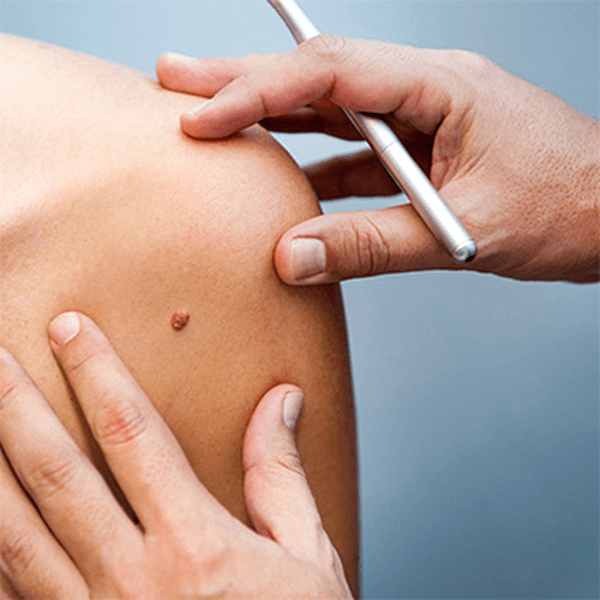
Most moles are harmless. Patients often choose removal when a mole is raised, catches on clothing or jewellery, affects their confidence, or has changed in size, shape or colour. Your doctor will examine the mole first, using a dermatoscope and the ABCDE method (Asymmetry, Border, Colour, Diameter, Evolving), and recommend the most suitable technique.
| Method | What it involves | Typically used for |
|---|---|---|
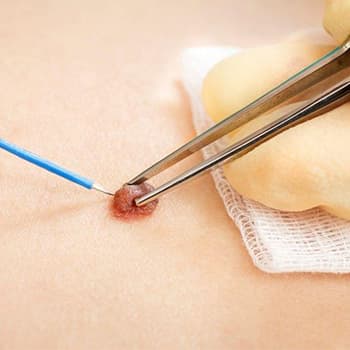
Shave excision | The mole is shaved level with the skin; no stitches are needed | Raised moles removed for cosmetic reasons |
Punch excision | A small circular section of skin is removed and closed with one or two stitches | Small moles |
Elliptical excision | The mole is removed with a small margin of skin and closed with stitches | Flat moles, or any mole that needs full removal for testing |
Earlobe repair and mole removal are suitable for most healthy adults. Your doctor will ask about your medical history before treatment.
We may delay treatment, or suggest a different approach, if you:
At Skin Medical, award-winning doctors trained in dermatology and minor surgery use the latest laser and surgical techniques to ensure precision and minimal scarring.
Want to book a mole removal or earlobe repair?
Contact us to schedule your consultation and get expert, compassionate care from start to finish.

The local anaesthetic injection stings for a few seconds, then the area goes numb and you should feel only pressure during the procedure. Most patients describe mild tenderness for a few days afterwards, which is usually managed with simple pain relief such as paracetamol.
All surgery leaves some scarring, but earlobe repairs usually heal to a fine line that fades over several months. A small zig-zag or notch technique is often used to help prevent a dip forming along the lower edge. Patients with a history of keloid scarring may need additional treatment, which your doctor will discuss.
The repaired earlobe usually needs at least 6 to 8 weeks to heal before it is re-pierced. Your doctor will advise on the best position for the new piercing, often slightly away from the repair line. Lighter earrings are recommended afterwards to reduce the chance of the earlobe tearing again.
Yes, in most cases. The excess stretched skin is removed and the earlobe is reshaped to a more natural size and contour, then closed with fine stitches. Larger stretches may need a more involved repair, and your doctor will explain what result is realistic at your consultation.
Often, yes. Both earlobes can usually be repaired in the same appointment, and a mole removal can often be combined with an earlobe repair. Your doctor will confirm whether this is suitable for you at consultation, taking into account the areas involved and your recovery plans.
Yes. Every mole we remove is sent to a laboratory for histology, which examines the tissue under a microscope to confirm whether it is benign. Results usually take 2 to 3 weeks, and your doctor will contact you to explain them and any next steps.
Occasionally. A mole removed by shave excision may leave a few pigment cells below the skin surface, which can cause some colour to return over time. Excision removes the full depth of the mole and makes regrowth less likely. Any change in a treated area should be checked by a doctor.
Most patients return to work the same or next day. Stitches are usually removed after 7 to 14 days, depending on the area, while shave removals heal without stitches in around 1 to 2 weeks. You should avoid strenuous exercise and swimming until your doctor advises the wound has healed.
No. You can book a consultation with our doctors directly. If your doctor is concerned that a mole could be a skin cancer, they may recommend urgent referral to a dermatologist, which can be arranged privately or through your GP on the NHS.