Explore Skin Medical’s effective treatments that can diminish pigmentation spots and enhance your overall skin tone and texture.
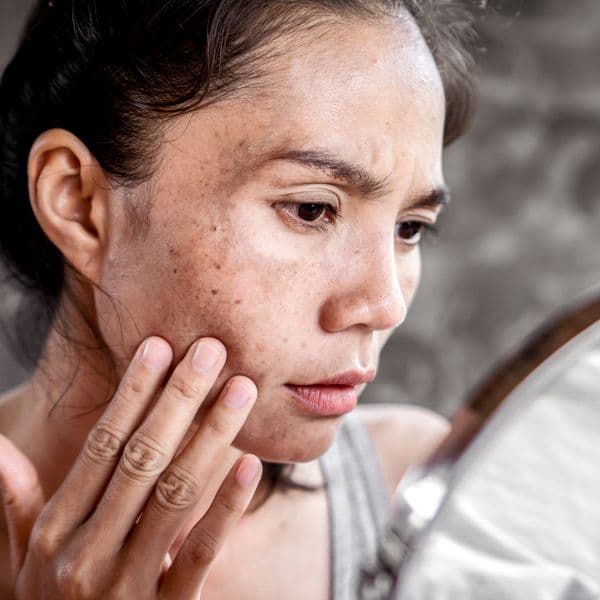
Skin pigmentation, such as freckles, age spots, or blemishes, is typically caused by sun damage. These darker patches form when the body produces excess melanin in response to cell damage. Over time, pigmentation spots can become more noticeable, affecting overall complexion and skin tone. Fortunately, various treatments can effectively remove these spots using advanced technological methods.

Pigmentation is not one-size-fits-all. There are several distinct types, each with different causes, appearances and responses to treatment. Understanding which type you have is the first step to finding the right solution — and something our team will always assess carefully before recommending any treatment.
Sun damage and age spots (solar lentigines) The most common form of pigmentation, appearing as flat, darkened patches on sun-exposed areas such as the face, hands and chest. They develop gradually over years of UV exposure and tend to become more noticeable with age.
Melasma Larger, irregular patches of brown or grey-brown pigmentation, most commonly on the cheeks, forehead and upper lip. Strongly associated with hormonal changes and worsened by sun exposure, melasma can be one of the more stubborn types to treat and requires a careful, tailored approach.
Post-inflammatory hyperpigmentation (PIH) PIH occurs when the skin produces excess melanin following inflammation or injury — commonly after acne, eczema or a skin reaction. It can affect all skin types but tends to be more pronounced and longer-lasting in medium to darker skin tones.
Freckles Small, concentrated spots of melanin, largely genetic and most common in fair skin types. They tend to fade in winter and darken with sun exposure. Harmless, but many patients choose to reduce their appearance for a more even complexion.
Seborrhoeic keratoses Benign, slightly raised growths ranging from light tan to dark brown. Common in older adults and often mistaken for warts or moles, they are not caused by sun exposure but can be removed if cosmetically bothersome.
Vascular redness Not all uneven skin tone is caused by melanin. Redness and broken capillaries — often linked to rosacea — can also contribute to an uneven complexion and benefit from many of the same light and laser therapies used for pigmentation.
If you are unsure which type of pigmentation you have, our team will assess your skin thoroughly at consultation and recommend the most appropriate treatment plan for you.

At Skin Medical, we offer a range of effective treatments to address pigmentation concerns and promote healthier, more even-toned skin. Intense Pulsed Light (IPL) treatments are precise and effective in targeting specific spots on the skin while rejuvenating overall skin texture, often preferred over chemical peels.
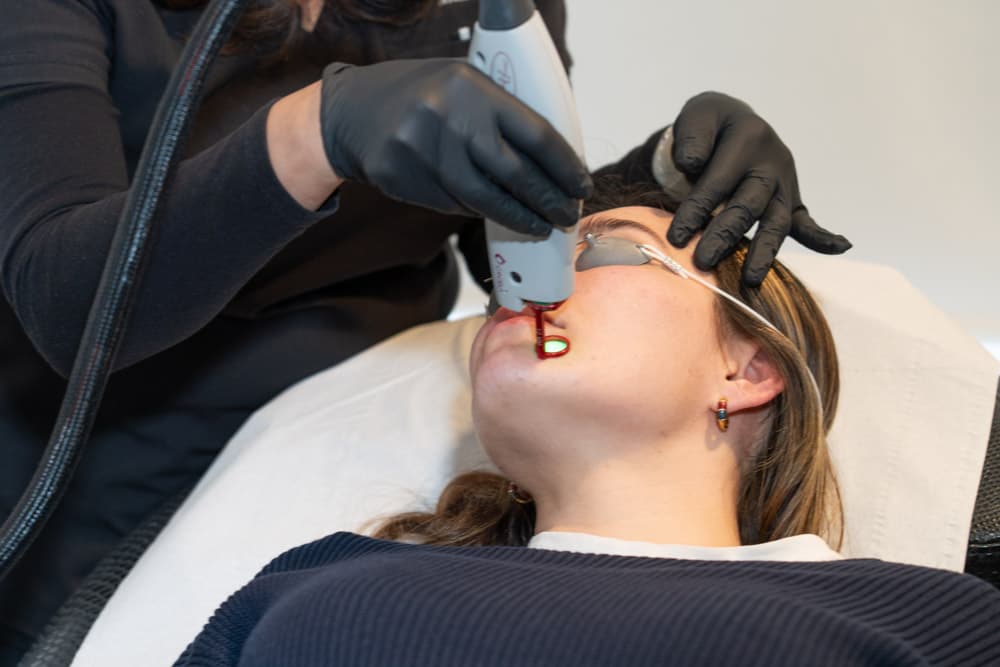
Laser treatments are another advanced option for targeting pigmented lesions, using light energy to lighten blemishes and dark patches without harming surrounding skin.
Chemical peels exfoliate the outer skin layer to reduce pigmentation and promote new skin growth. Microneedling stimulates collagen production, aiding skin healing and reducing pigmentation over time.
Topical treatments containing ingredients like hydroquinone, retinoids, and vitamin C inhibit melanin production and support skin renewal.
For those seeking the most advanced approach to pigmentation, UltraClear Plus combines the full power of UltraClear’s cold fibre laser technology in a bespoke multi-pass protocol. It targets stubborn pigmentation, sun damage, melasma and uneven skin tone across all skin types — including darker skin tones — with minimal risk and impressive, lasting results. Performed exclusively by Dr Sabika Karim or Dr Saif Abbas Chatoo, and includes a full pre-treatment assessment and personalised aftercare plan.
Skin pigmentation, such as freckles, age spots, or blemishes, is typically caused by sun damage. These darker patches form when the body produces excess melanin in response to cell damage. Over time, pigmentation spots can become more noticeable, affecting overall complexion and skin tone.
Various effective treatments can remove pigmentation spots:
With proper treatment, pigmentation spots can be significantly reduced or eliminated. The effectiveness of treatment depends on the severity of the pigmentation and the chosen method of treatment.
Pigmentation refers to the color of a person’s skin. Uneven pigmentation, such as freckles, age spots, or blemishes, can affect the skin’s appearance and tone.
Yes, vitamin C is beneficial for hyperpigmentation. It inhibits melanin production and promotes collagen synthesis, helping to even out skin tone and reduce the appearance of dark spots. Topical vitamin C treatments can be effective in lightening hyperpigmentation when used consistently.
For personalised advice and effective pigmentation treatments, contact Dr. Sabika Karim at Skin Medical to explore the best options for your skin concerns.