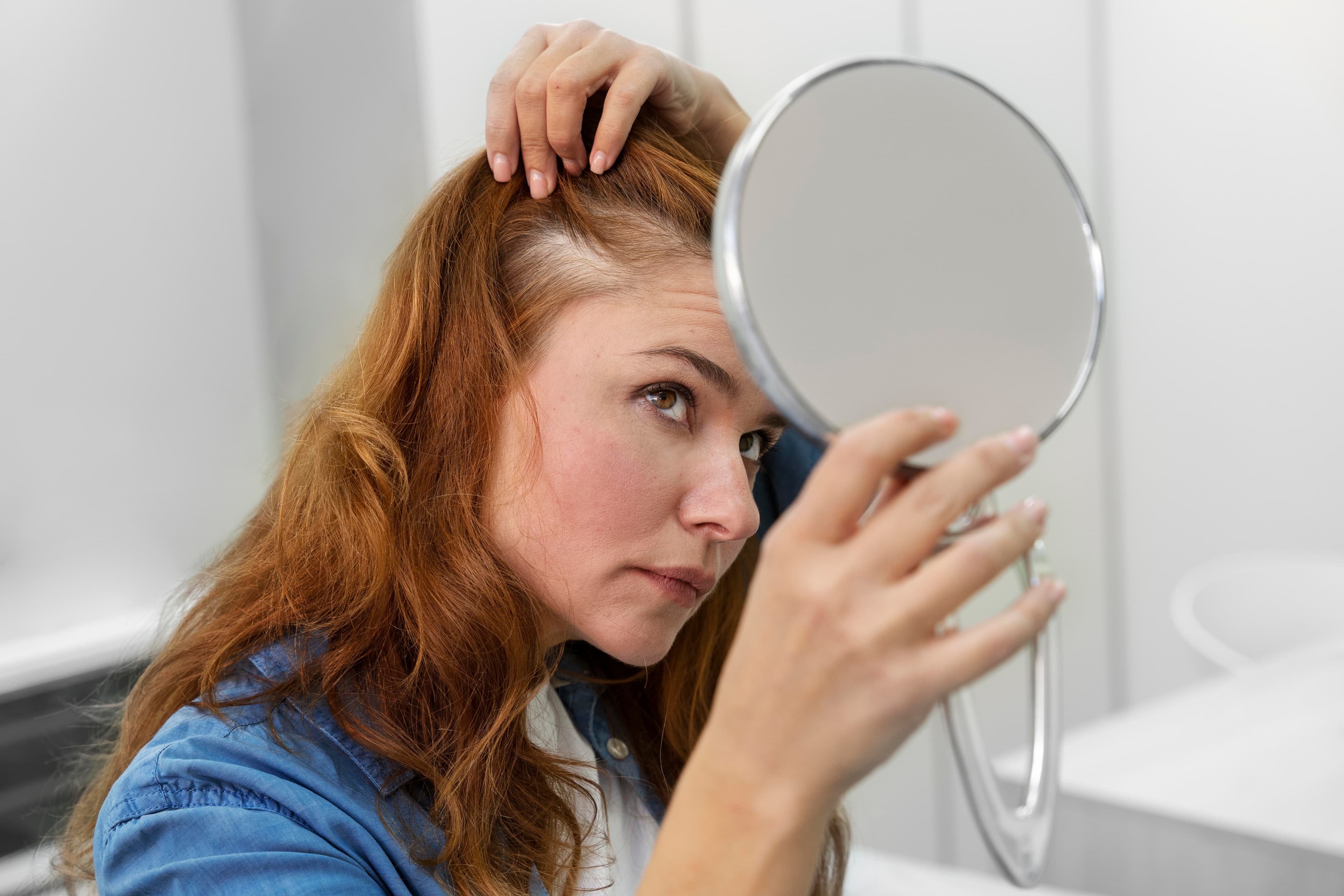
If your hair has started to feel finer, your parting looks wider or you are noticing more scalp than before, you may have come across the Dutexome hair treatment while researching non-surgical options. In this guide, the doctor-led team at Skin Medical in Northwood explains what Dutexome is, how it is used with microneedling, who it may suit and what results are realistic, so you can decide whether it is worth discussing at a consultation.
Dutexome is a professional scalp solution made by the Spanish laboratory mesoestetic, designed for thinning hair linked to hormonal factors in both men and women. It combines a low concentration of dutasteride (0.05%) with plant-derived exosomes, a copper peptide and B vitamins. At Skin Medical, it is applied in clinic alongside scalp microneedling, which creates tiny channels that help the solution reach the skin around the hair follicles.
According to the manufacturer’s product information, Dutexome contains:
In pattern hair loss, DHT causes susceptible follicles to shrink gradually, a process called miniaturisation. Hairs grow back finer and shorter with each cycle until some follicles stop producing visible hair.
Dutexome is designed to act on this process at scalp level. The dutasteride targets DHT locally, while the other ingredients aim to support the hair cycle, follicle anchorage and microcirculation. The intended result is less shedding and, over time, thicker and denser-looking hair. Microneedling may add to this, as the controlled micro-injuries are thought to stimulate the scalp’s own repair response.

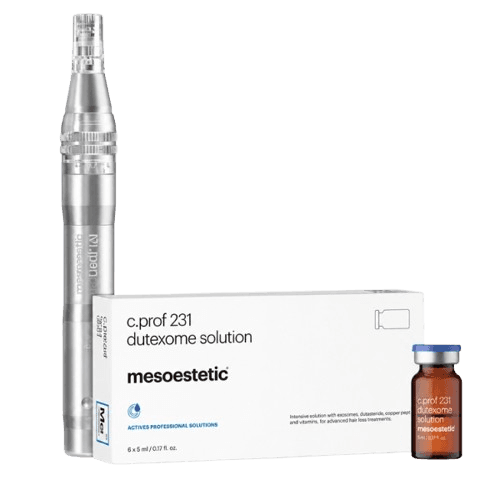
A typical appointment follows these steps:
The appointment usually takes around 45 minutes. You can find full details on our microneedling with Dutexome treatment page.
Using Dutexome for hair thinning may be suitable for adults with early to moderate hormonal hair loss, such as:
It is unlikely to help where follicles have been lost completely, such as long-standing bald areas, or in scarring forms of hair loss.
Because Dutexome contains dutasteride, it is not suitable during pregnancy or breastfeeding, and women who are trying to conWhat is Dutexome?ceive or could become pregnant need careful medical review first. It may also not be appropriate if you have an active scalp infection, a keloid tendency or certain medical conditions.

Thinning hair is not always hormonal. Iron deficiency, thyroid problems, recent illness, stress, childbirth, some medicines and autoimmune conditions can all cause hair loss, and each needs a different approach.
Before recommending Dutexome, a doctor will take a medical history, examine your scalp and pattern of loss, and may suggest blood tests. If there are signs of a medical cause, or a condition such as alopecia areata or scarring alopecia, this will be investigated first or referred to a specialist.
Most patients start with a course of several sessions spaced a few weeks apart, followed by maintenance treatments. Because hair grows in cycles, a single session is not enough to judge results. Your doctor will recommend a plan based on the extent of thinning and how your hair responds, and will usually take baseline photographs so progress can be compared fairly over time.
Numbing cream can be used, and most patients describe scalp microneedling as a prickling or scratching sensation. Afterwards, the scalp may look pink and feel tender or warm for a day or two. Mild flaking can follow.
Most people return to work the same or next day. You will usually be advised to avoid washing your hair, exercising heavily, swimming and using styling products for a short period after treatment.
Hair responds slowly, so patience matters. Many patients first notice less shedding after two to three months, with improvements in thickness and density more visible at around four to six months. Results vary depending on the cause and stage of hair loss, your hormones, general health and whether other treatments are used alongside. Dutexome is not a cure for pattern hair loss, and maintenance is usually needed to keep the benefit. If your hair has not responded as expected, your doctor will review the plan with you rather than simply adding more sessions.
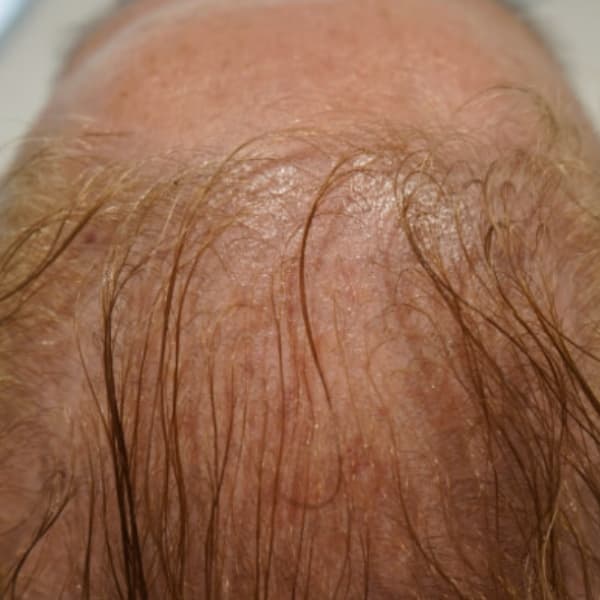
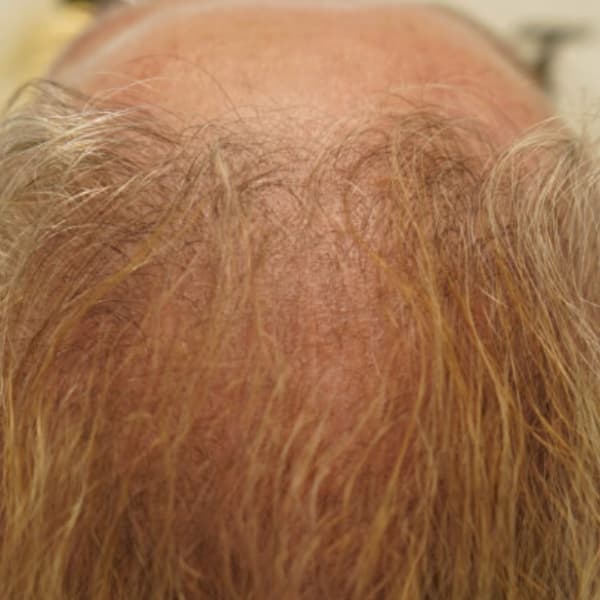
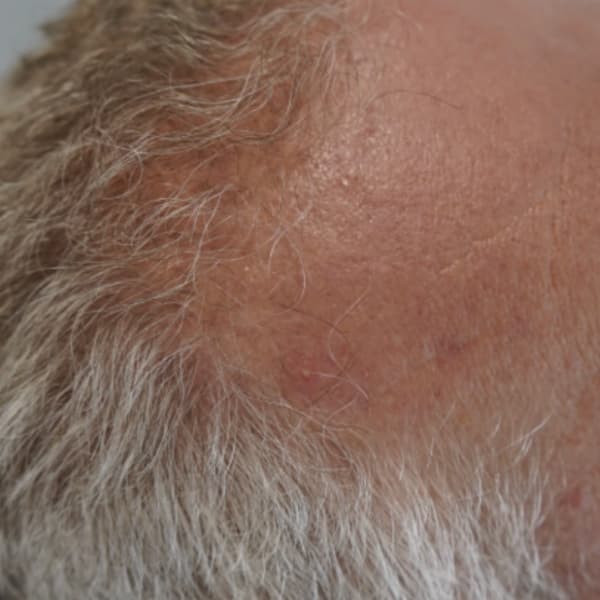
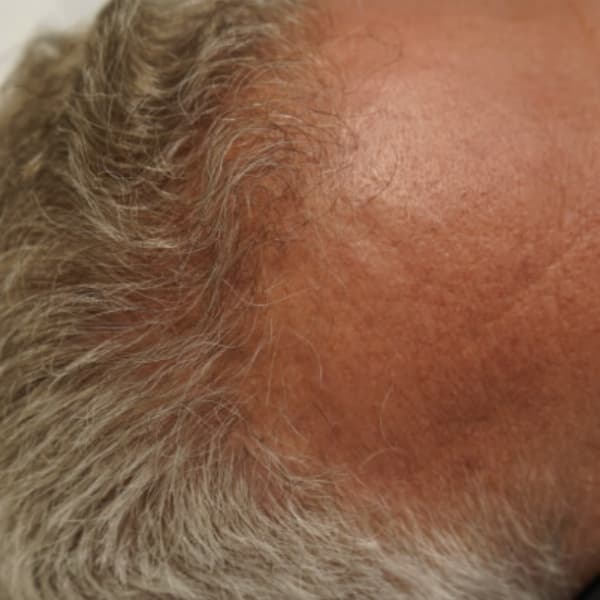
Dutexome is one of several hair options at Skin Medical, and some patients combine treatments under medical guidance.
| Treatment | Main focus |
|---|---|
| Microneedling with Dutexome | Hormonal thinning, targeting DHT at scalp level |
| HydraScalp with Keravive | Cleansing, exfoliating and nourishing the scalp |
| Regen Lab | Platelet-rich plasma (PRP) from your own blood |
| KeraJuv cold plasma | Scalp health and follicle stimulation using cold plasma |
Hair loss can affect confidence deeply, and it is tempting to start the first treatment you read about. A doctor-led consultation makes sure the cause of your thinning is understood, that Dutexome is safe for you and that your expectations are realistic. Skin Medical was founded by award-winning aesthetic doctor Dr Sabika Karim, and patients visit our Northwood clinic from across North West London and Hertfordshire.

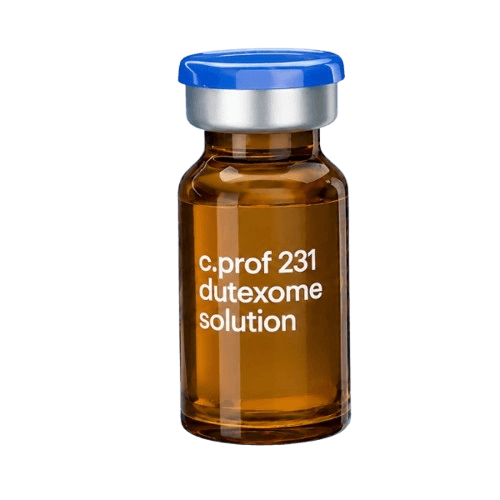
Dutexome is a professional scalp solution by mesoestetic for hair thinning linked to hormonal factors in men and women. It contains 0.05% dutasteride, aloe vera exosomes, copper tripeptide-1 and B vitamins. It is applied in clinic with scalp microneedling, which helps the solution reach the follicles. It aims to reduce shedding and improve hair thickness and density over time.
Dutexome is designed for hormonal hair loss in both men and women, including female pattern thinning. However, because it contains dutasteride, it is not suitable during pregnancy or breastfeeding, and women who are trying to conceive or could become pregnant need careful medical review. Your doctor will discuss whether it is appropriate for you.
Dutexome may help reduce shedding and improve hair density for suitable patients, particularly those with early to moderate hormonal thinning where follicles are still active. Results vary between patients and depend on the cause and stage of hair loss. It is not a cure, and it cannot regrow hair where follicles have been lost completely.
Most patients begin with a course of several sessions spaced a few weeks apart, followed by maintenance treatments to sustain results. The exact number depends on the extent of thinning, the cause of your hair loss and how your hair responds. Your doctor will recommend a personalised treatment plan at your consultation.
Most patients describe scalp microneedling as a prickling or scratching sensation rather than pain, and numbing cream can be used to improve comfort. The scalp may feel tender, warm or slightly sensitive for a day or two afterwards. Your practitioner will check you are comfortable throughout the treatment.
Hair grows in cycles, so changes take time. Many patients first notice reduced shedding after two to three months, with improvements in thickness and density more visible at around four to six months. Your doctor will review your progress, often with photographs, to track changes during your treatment course.
Downtime is usually minimal. The scalp may look pink, feel tender or flake slightly for a day or two. Most people return to work the same or next day. You will usually be advised to avoid washing your hair, heavy exercise, swimming and styling products for a short time after treatment.
Common effects include temporary redness, tenderness, mild swelling or flaking of the scalp. Less commonly, patients may experience irritation, infection or a reaction to the solution. Because dutasteride acts on hormones, your doctor will also explain any wider effects to be aware of and check your medical history before treatment.
If you are noticing thinning hair and would like to know whether Dutexome is right for you, a consultation with our doctor-led team is the best place to start. We will assess your scalp, look for any underlying causes and recommend a personalised plan. Contact Skin Medical to arrange your consultation.