Thread veins are one of the most common skin concerns we see, and they can appear at any age. They are usually harmless, but many people find them frustrating, particularly on the face or legs. In this guide, the doctor-led team at Skin Medical in Northwood explains what causes thread veins, how Vbeam laser and sclerotherapy work, what recovery involves and when a vein concern needs a medical assessment.
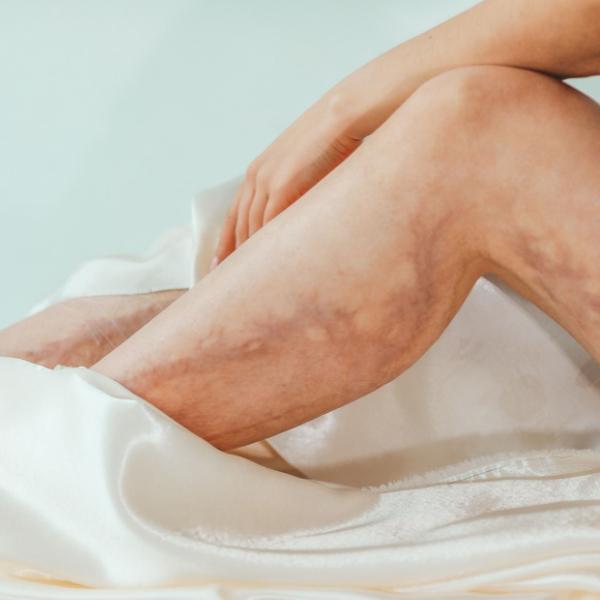
Thread veins, also called spider veins or broken capillaries, are small, widened blood vessels that sit just beneath the surface of the skin. They look like fine red, purple or blue lines, sometimes in a web-like pattern. They most often appear on the nose, cheeks and chin, and on the thighs, calves and ankles. Unlike varicose veins, they are flat and do not bulge.
There is rarely a single cause. Common factors include:
Alcohol, extreme temperatures and minor injury to the skin can also play a part, particularly for facial thread veins.
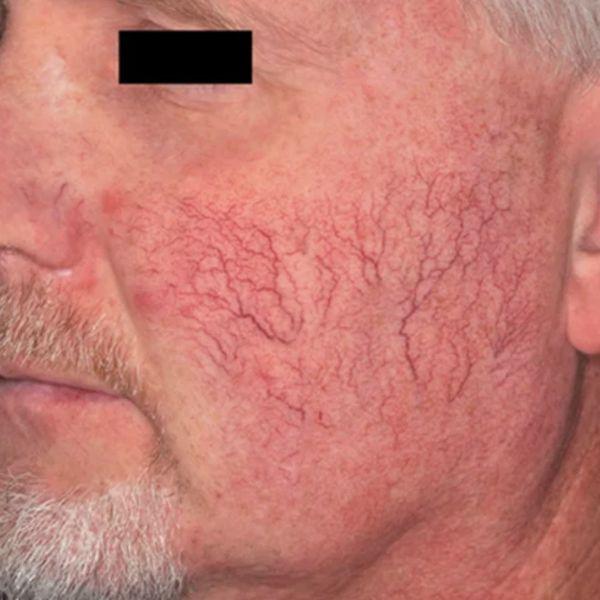
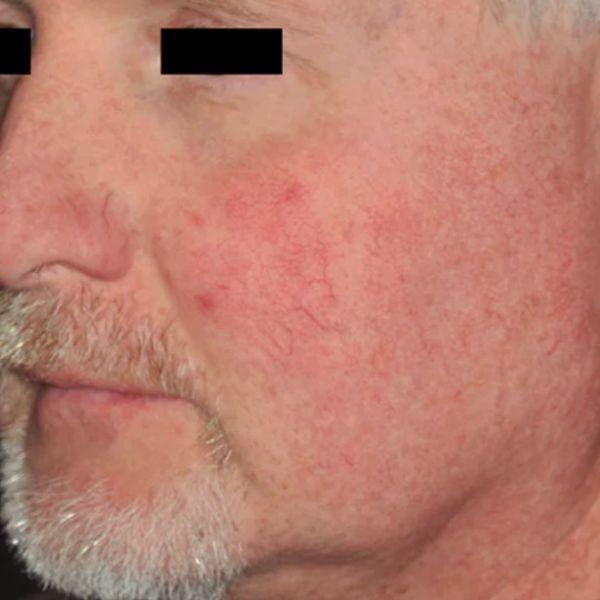
Thread veins on the face are usually linked to sun damage, genetics or rosacea, and they often sit alongside general redness. For many people, the aim is to clear the visible vessels and calm the overall flushed look. You can read more about our approach to facial redness.
The right thread vein treatment depends on where the veins are, their size and colour, and your skin type.
| Vbeam laser | Sclerotherapy | |
|---|---|---|
Best for | Facial thread veins, redness and rosacea | Thread veins on the legs |
How it works | Laser light is absorbed by the blood in the vessel | A solution is injected to close the vein |
Typical sessions | 1 to 3, around 4 to 6 weeks apart | 2 to 3, around 4 to 6 weeks apart |
Downtime | Redness and possible bruising for up to a week | Bruising, and compression stockings for a short period |
Vbeam is a pulsed dye laser that uses a wavelength strongly absorbed by the blood inside small vessels. The light turns to heat, which seals the vessel so the body can gradually clear it away. The surrounding skin is protected by a cooling spray.
Most patients describe the sensation as a quick snap, like a small elastic band, with each pulse. Treatment of the face usually takes 15 to 30 minutes. Fine vessels may fade within days, while redness and rosacea usually need a short course. Vbeam thread veins treatment can be combined with treatment for general redness, so both concerns are addressed in the same sessions.
Afterwards, the skin may look red or swollen, and some patients have purple bruising for several days to a week, depending on the settings used. You will be advised to avoid sun exposure, heat and strenuous exercise for a short period. Our Vbeam aftercare guide explains each step.
Sclerotherapy is a well-established treatment for thread veins on the legs. Lasers such as Vbeam are less effective on larger leg veins, which is why injections are usually preferred here. A very fine needle is used to inject a solution into each vein, which irritates the vessel wall so it closes. Over the following weeks, the body absorbs the treated vein and it fades from view.
Most people feel a mild sting or cramp during injections. You may be asked to wear compression stockings for a short period afterwards and to walk regularly. Bruising, small lumps and temporary brown marks along the treated veins are common and usually fade over weeks to months. For patients searching for sclerotherapy in London, every treatment at our Northwood clinic starts with an assessment of your legs.
Many patients see a clear improvement in the treated veins. Facial vessels can fade within a few days to weeks of laser, while leg veins treated with sclerotherapy usually take six to twelve weeks to fade, sometimes longer.
It is important to know that treatment closes the existing veins but does not stop new ones forming. Genetics, hormones, sun exposure and lifestyle can all lead to new thread veins over time, so occasional top-up sessions are common. Using daily sun protection on the face helps reduce new vessels.
Thread veins are usually a cosmetic concern, but some vein problems need medical advice first. See your GP or ask for an assessment if you have:
Clusters of thread veins around the ankle can sometimes point to an underlying vein problem, and facial redness with flushing may be rosacea, which can benefit from medical treatment alongside laser.
Creams cannot remove thread veins. Laser and sclerotherapy are the most reliable options, and both should be carried out after a proper assessment. A doctor-led consultation confirms what type of veins you have, rules out any underlying cause and recommends the treatment most likely to work for your skin. Skin Medical was founded by award-winning aesthetic doctor Dr Sabika Karim, and patients visit our Northwood clinic from across London, Hertfordshire and Buckinghamshire. Find out more on our thread veins page.
Thread veins are small, widened blood vessels just beneath the skin’s surface. They appear as fine red, purple or blue lines, often on the nose, cheeks, thighs and ankles. They are also known as spider veins or broken capillaries. Thread veins are usually harmless and, unlike varicose veins, they are flat rather than bulging.
Thread veins on the face are most often linked to sun damage, genetics, rosacea and natural ageing of the skin. Hormonal changes, alcohol, extreme temperatures and minor skin injury can also contribute. Daily sun protection and managing rosacea triggers can help reduce new vessels, although they cannot remove existing ones.
Vbeam laser is one of the most widely used treatments for facial thread veins and redness. It uses a wavelength of light that is absorbed by blood in small vessels, sealing them so they fade. Many patients need one to three sessions. A doctor will assess your skin and the type of veins before recommending treatment.
This depends on the treatment and the number and size of veins. Facial thread veins often need one to three Vbeam sessions, while rosacea-related redness may need more. Leg veins treated with sclerotherapy usually need two to three sessions, spaced around four to six weeks apart. Your doctor will recommend a personalised plan.
Most patients describe Vbeam as a quick snapping sensation, similar to a small elastic band against the skin. A cooling spray is released with each pulse to protect the skin and improve comfort. Treatment of the face usually takes 15 to 30 minutes, and any discomfort settles quickly afterwards.
Bruising is possible, depending on the laser settings and the type of vessels treated. Some patients have purple bruising for several days to a week, while others have only temporary redness or swelling. Your practitioner will explain what to expect before treatment, and following our Vbeam aftercare advice will help your skin heal.
Sclerotherapy is a well-established treatment for thread veins on the legs. A solution is injected into each vein, causing it to close and gradually fade over six to twelve weeks. Most patients see a clear improvement after a course of treatment, although new veins may appear over time and top-ups are common.
Treated veins usually do not return, but treatment does not stop new thread veins from forming. Genetics, hormones, pregnancy, sun exposure and standing for long periods can all lead to new veins over time. Many patients choose occasional maintenance sessions, and daily sun protection helps reduce new facial veins.
If thread veins on your face or legs are bothering you, a consultation with our doctor-led team is the best place to start. We will assess your veins, check for any underlying cause and recommend whether Vbeam laser, sclerotherapy or another approach is right for you. Contact Skin Medical to arrange your consultation.