Written by Dr Sabika Karim. 9th August 2026
Profhilo and skin boosters are both injectable treatments that improve skin quality, and both use hyaluronic acid as their active ingredient. This leads to a great deal of patient confusion about which one to choose, whether they are interchangeable, and whether one is simply better than the other. The answer is that they are meaningfully different treatments suited to different concerns, and understanding the distinction helps you make a more informed decision in the consultation room.
Skin boosters are injectable hyaluronic acid treatments designed to restore deep hydration within the dermis. The hyaluronic acid used in skin boosters is lightly cross-linked, meaning it stays in place at the injection site rather than spreading through the tissue. This allows it to act as a localised moisture reservoir, attracting and retaining water within the skin for several months.
The effect is an improvement in skin plumpness, smoothness and surface quality. Skin that is chronically dehydrated, fine and lacking in radiance responds well. Popular products in this category include Juvederm Volite and the Restylane Skinbooster range.
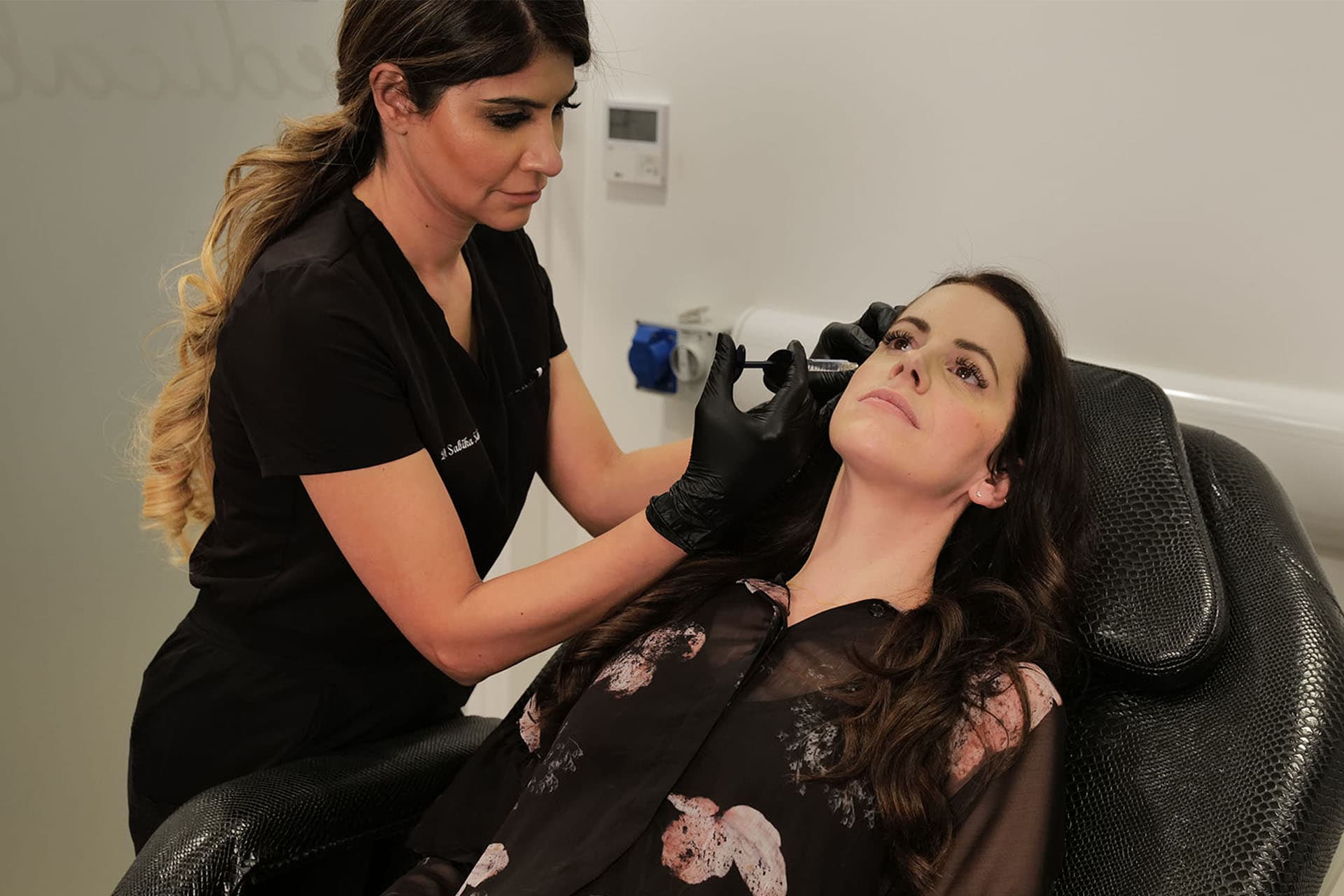
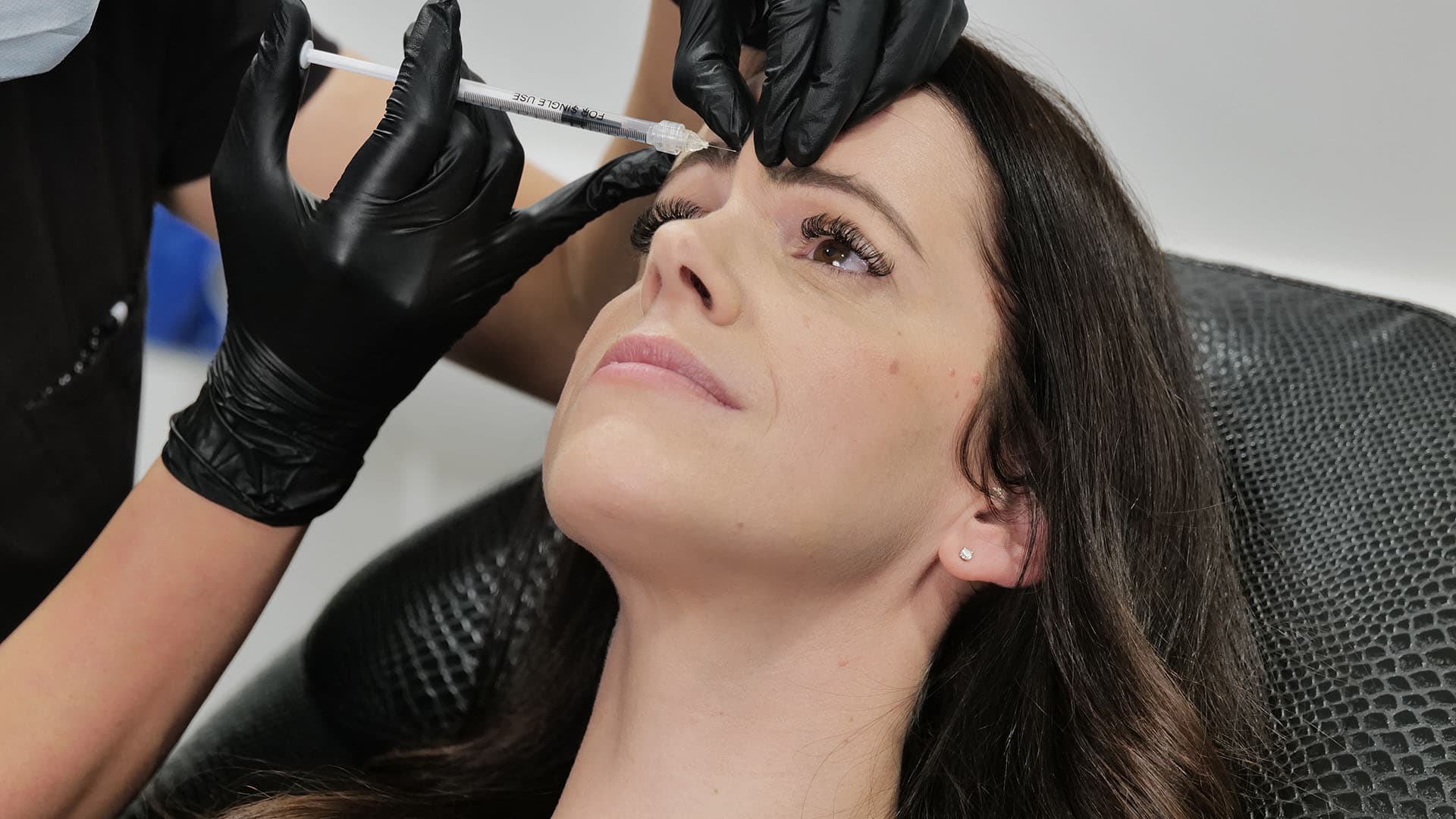
Skin boosters are typically administered through a series of microinjections across the treatment area, most commonly the face, neck, decolletage and hands. A course usually involves two sessions spaced four weeks apart, with results lasting six to twelve months.
They are particularly effective for patients whose primary concern is dehydration, a dull or rough skin texture, or superficial fine lines caused by a lack of moisture rather than structural change.
Profhilo is a bio-remodelling treatment rather than a conventional skin booster, though the distinction is frequently blurred in marketing material. It uses one of the highest concentrations of hyaluronic acid available in an injectable product, but that hyaluronic acid is thermally stabilised rather than chemically cross-linked. This means it does not stay localised at the injection site. Instead, it flows through the tissue, distributing itself widely from just five injection points per side of the face.
The mechanism of action goes beyond simple hydration. Profhilo stimulates four different types of collagen and elastin, remodelling the dermis from within rather than simply filling it with moisture. The result is an improvement in skin laxity, firmness and overall quality that goes deeper than conventional hydration.
Profhilo is delivered via the BAP (Bio Aesthetic Points) technique, using just ten injection points across the face. It requires two sessions one month apart and results typically last six to nine months.
It is best suited to patients with early laxity, a loss of skin firmness, or a general deterioration in skin quality that goes beyond surface dehydration.
If your skin feels tight, rough and dehydrated, and your main concern is a lack of radiance or plumpness, a skin booster is likely the more appropriate starting point. If you have noticed your skin becoming softer and less firm, with a loss of the structural tautness it once had, Profhilo is more likely to address what you are seeing. If you are unsure, a consultation at Skin Medical will help clarify which is the better fit for your skin at this point in time.
Yes, and they work well in combination. A patient with both early laxity and dehydration may benefit from Profhilo to address the structural component and skin boosters to optimise surface quality. The two treatments complement rather than duplicate each other when used this way, and the combined effect is often greater than either alone.
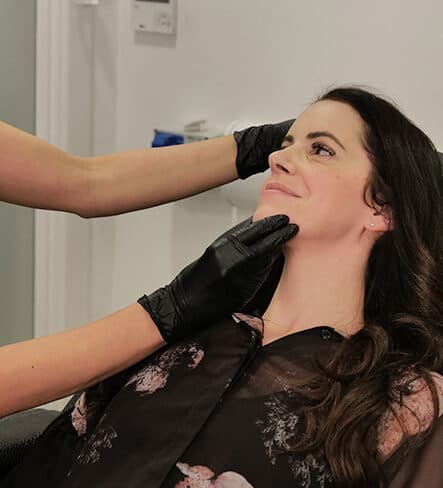
Both treatments are available at Skin Medical. A consultation with one of our clinicians will assess your skin, identify your primary concern, and recommend the most appropriate treatment or combination for your individual needs.

Skin boosters primarily hydrate the dermis using lightly cross-linked hyaluronic acid that stays localised at the injection site. Profhilo uses thermally stabilised hyaluronic acid that spreads through the tissue, stimulating multiple types of collagen and elastin to remodel the skin’s structure. Profhilo addresses laxity as well as hydration; skin boosters focus primarily on hydration and surface quality.
Neither is universally better. The right choice depends on your concern. Skin boosters suit patients whose primary issue is dehydration and dull skin. Profhilo is more appropriate where early laxity and loss of skin firmness are the main concerns. A consultation will identify which is right for you.
Yes. The two treatments complement each other well and are often combined in patients who have both dehydration and early laxity. Used together, they can address both the structural and surface components of skin quality decline.
Skin booster results typically last six to twelve months, depending on the product used and individual metabolism. Maintenance sessions are recommended at that point to sustain the improvement.
Profhilo results typically last six to nine months. Two initial sessions are required one month apart, with maintenance treatment recommended every six to nine months thereafter.
Profhilo is often categorised alongside skin boosters because it uses hyaluronic acid, but it is more accurately described as a bio-remodelling treatment. Unlike conventional skin boosters, it stimulates collagen and elastin remodelling rather than simply hydrating the dermis.
Skin boosters involve multiple microinjections spread across the treatment area. Profhilo uses just ten injection points across the face, using the BAP (Bio Aesthetic Points) technique. Patients who prefer fewer injections often find Profhilo more comfortable.
Skin boosters tend to be the more appropriate starting point for younger patients whose primary concern is dehydration, rough texture or a lack of radiance. Profhilo becomes more relevant as patients enter their late thirties and begin to notice a softening in skin firmness.
Both treatments can be used on the face, neck and decolletage. Skin boosters are also commonly used on the hands. Profhilo is increasingly used on the neck and body for laxity in those areas.
The best way to decide is through a consultation at Skin Medical. Our clinicians will assess your skin quality, discuss your concerns and recommend the most appropriate treatment based on what your skin actually needs, rather than what is currently most popular.