
Written by Dr Sabika Karim. 29th August 2026
Polynucleotides have become one of the most talked-about treatments in aesthetics over the last two years, and patient interest continues to grow. Unlike many trends that rely primarily on marketing, the enthusiasm for polynucleotides is backed by a growing body of clinical evidence and a mechanism of action that addresses skin quality at a level conventional hyaluronic acid treatments cannot reach.
This article explains what polynucleotides are, how they differ from other injectables, what they treat, and what a course of treatment actually involves.
Polynucleotides (often referred to as PN or PDRN, polydeoxyribonucleotide) are long chains of nucleotides derived from highly purified salmon or trout DNA. Their biological activity in the skin comes from their ability to interact with adenosine receptors, which are involved in tissue repair, regeneration, and the regulation of inflammation.
When injected into the skin, polynucleotides stimulate fibroblast activity. Fibroblasts are the cells responsible for producing collagen, elastin and hyaluronic acid. By activating these cells, polynucleotides promote genuine biological regeneration rather than simply filling or hydrating the tissue. The result is a gradual but meaningful improvement in skin quality, firmness, texture and tone.
It is worth being precise about the terminology, as it is used inconsistently in the industry. PDRN refers to shorter chains of nucleotides with well-documented wound-healing and anti-inflammatory properties. PN (polynucleotides) refers to longer chains with a broader regenerative effect. Many products in clinical use contain a combination of both.
This is the question patients most often ask, and the answer is fundamental to understanding where polynucleotides fit within a treatment plan.
Hyaluronic acid treatments, including skin boosters and Profhilo, work primarily by adding or redistributing hydration within the dermis. They improve the skin’s moisture content, plumpness and surface quality. Their effect is relatively immediate and largely physical.
Polynucleotides work at a cellular level. They do not add volume or hydration directly. Instead, they instruct the skin’s own cells to regenerate and produce more of the structural proteins that support it. The improvement builds gradually over weeks as the biological process progresses, and the results reflect genuine tissue remodelling rather than added product.
For patients whose skin has lost quality through cumulative sun damage, significant ageing, or scarring, polynucleotides address the biological deficit at its source in a way that hyaluronic acid treatments alone cannot.
Fine lines and skin quality
Polynucleotides produce a consistent improvement in skin texture, tone and fine lines as fibroblast activity increases collagen and elastin density. The improvement develops over four to eight weeks and continues to progress with subsequent sessions.
Under-eye rejuvenation
The under-eye area is one of the most popular treatment zones for polynucleotides. The thin, delicate skin in this region responds well to the regenerative stimulus, with improvements in dark circles caused by skin thinning, fine lines and crepiness that are difficult to address with filler alone. Many clinicians use polynucleotides as a first-line or adjunct treatment in this area.
Acne scarring
Polynucleotides have a well-documented effect on atrophic scarring. By stimulating fibroblast activity and remodelling the extracellular matrix, they can gradually improve the texture and depth of acne scars over a course of treatment. They work well alongside RF microneedling for more significant scarring.
Skin laxity and early ageing
In patients with early skin laxity, polynucleotides can improve firmness and elasticity over a course of three to four sessions. The results are less dramatic than energy-based devices or collagen stimulators for established laxity, but they are an excellent choice for patients with early concerns or as a maintenance treatment.
Scalp and hair quality
Polynucleotides are increasingly used on the scalp to support hair follicle health and improve hair quality and density. This is a growing application area within aesthetic medicine.
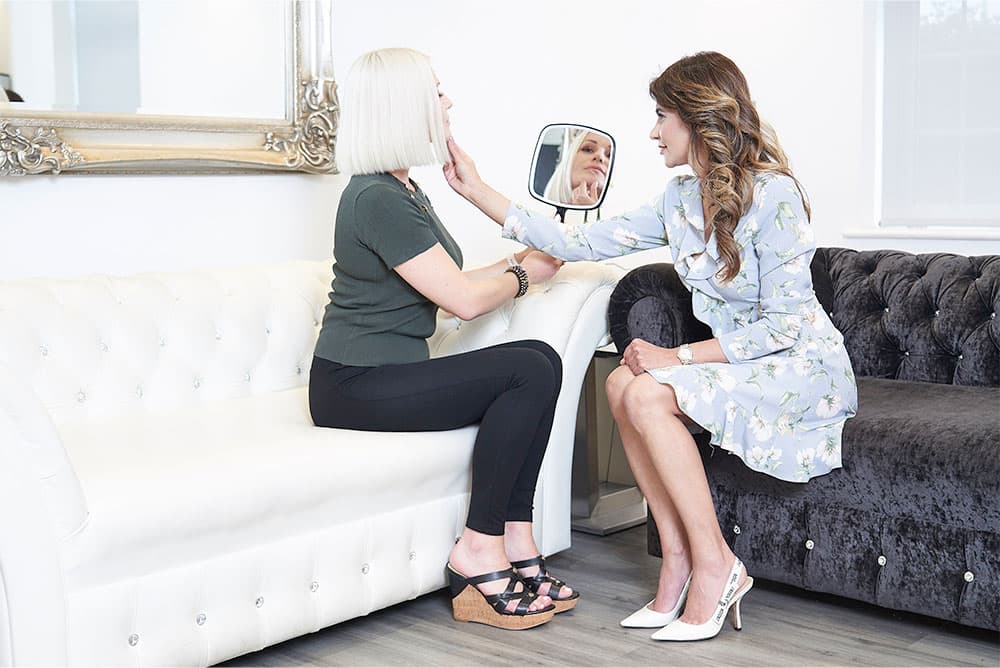
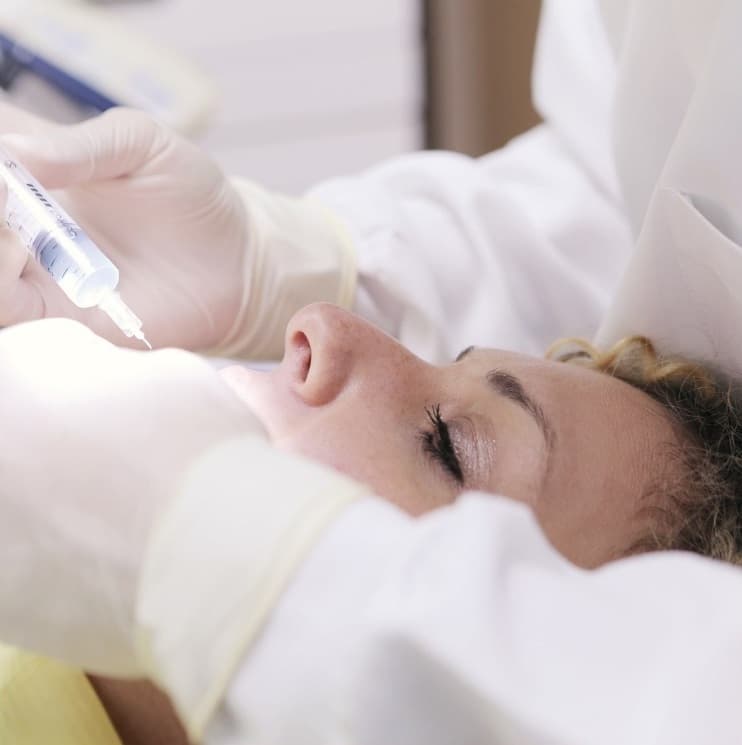
Polynucleotides are typically administered as a series of microinjections across the treatment area, similar in technique to skin boosters. A standard course involves three to four sessions spaced two to four weeks apart. Results begin to develop after the first session but are most visible after the full course is complete.
The treatment is well tolerated. Mild redness and swelling at injection sites typically resolve within 24 to 48 hours. There is no significant downtime.
Maintenance sessions every six to twelve months help sustain the biological activity and the results it produces.
Not better, different. The two treatments address different aspects of skin health and work well in combination. Skin boosters provide immediate hydration and surface improvement. Polynucleotides stimulate deeper biological regeneration. For patients with both dehydration and a loss of skin quality or structure, combining the two in a layered treatment plan often produces better results than either alone.
If you are concerned about hollowing, dark circles or a tired appearance beneath the eyes, a consultation at Skin Medical will establish whether tear trough filler is suitable for you, or whether an alternative approach would be more effective.

Polynucleotides (PN/PDRN) are long chains of nucleotides derived from purified salmon or trout DNA. When injected into the skin, they stimulate fibroblast activity, promoting the production of collagen, elastin and hyaluronic acid through genuine biological regeneration.
Skin boosters add hyaluronic acid to hydrate and plump the dermis directly. Polynucleotides work at a cellular level, instructing the skin’s own fibroblasts to regenerate and produce structural proteins. The improvement from polynucleotides is gradual and reflects genuine tissue remodelling rather than added product.
Polynucleotides are used for fine lines, general skin quality improvement, under-eye rejuvenation, acne scarring, early skin laxity and scalp health. They are effective across a broad range of concerns where skin regeneration and collagen stimulation are the primary goals.
A standard course involves three to four sessions spaced two to four weeks apart. Results build progressively over the course and continue to improve in the weeks following the final session. Maintenance treatment every six to twelve months is recommended.
Some improvement may be visible after the first session, but the most meaningful results develop over four to eight weeks as the biological regeneration process progresses. The full benefit of a course is typically visible six to eight weeks after the final session.
Polynucleotides have an established safety profile and have been used in medical practice for decades, particularly in wound healing and orthopaedic medicine. In aesthetic use, they are well tolerated with minimal side effects. Mild redness and swelling at injection sites typically resolve within 24 to 48 hours.
Yes, and they frequently are. Polynucleotides combine well with skin boosters (for hydration alongside regeneration), RF microneedling (for acne scarring and laxity), and anti-wrinkle injections or filler as part of a comprehensive treatment plan.
Yes. The under-eye area is one of the most popular treatment zones for polynucleotides. They improve skin quality, fine lines and crepiness in this delicate region, addressing concerns that are difficult to treat effectively with filler alone.
PDRN (polydeoxyribonucleotide) refers to shorter nucleotide chains with well-documented wound-healing and anti-inflammatory properties. PN (polynucleotides) refers to longer chains with a broader regenerative effect. Many clinical products contain a combination of both.
A consultation at Skin Medical is the best way to assess whether polynucleotides are appropriate for your skin concerns and where they fit within a broader treatment plan. Our clinicians will evaluate your skin and provide a clear recommendation based on your individual needs.