skin-medical-reviews

Dermalux LED Light Therapy: What It Treats and Why It Works

  • Uncategorized

Dermalux LED Light Therapy: What It Treats and Why It Works

Written by Dr Sabika Karim. 2nd September 2026

Dermalux LED light therapy uses clinically studied wavelengths of blue, red and near-infrared light to support different processes within the skin. Depending on the wavelengths used, treatment can help with concerns including acne, redness, fine lines, dullness and skin recovery.

One of its biggest advantages is how gentle it is. Dermalux is non-invasive, comfortable and requires no downtime, making it suitable both as a standalone treatment and alongside other procedures.

But how does LED light actually affect the skin, and what can you expect from a professional Dermalux treatment?

What is Dermalux LED light therapy?

LED (light-emitting diode) therapy exposes the skin to specific wavelengths of visible or near-infrared light. These wavelengths are absorbed by cells in the skin, where they can influence different biological processes.

Unlike treatments designed to deliberately heat, resurface or create controlled injury in the skin, LED phototherapy is non-invasive. It does not remove the surface layers of the skin, which is why treatment requires little to no recovery time.

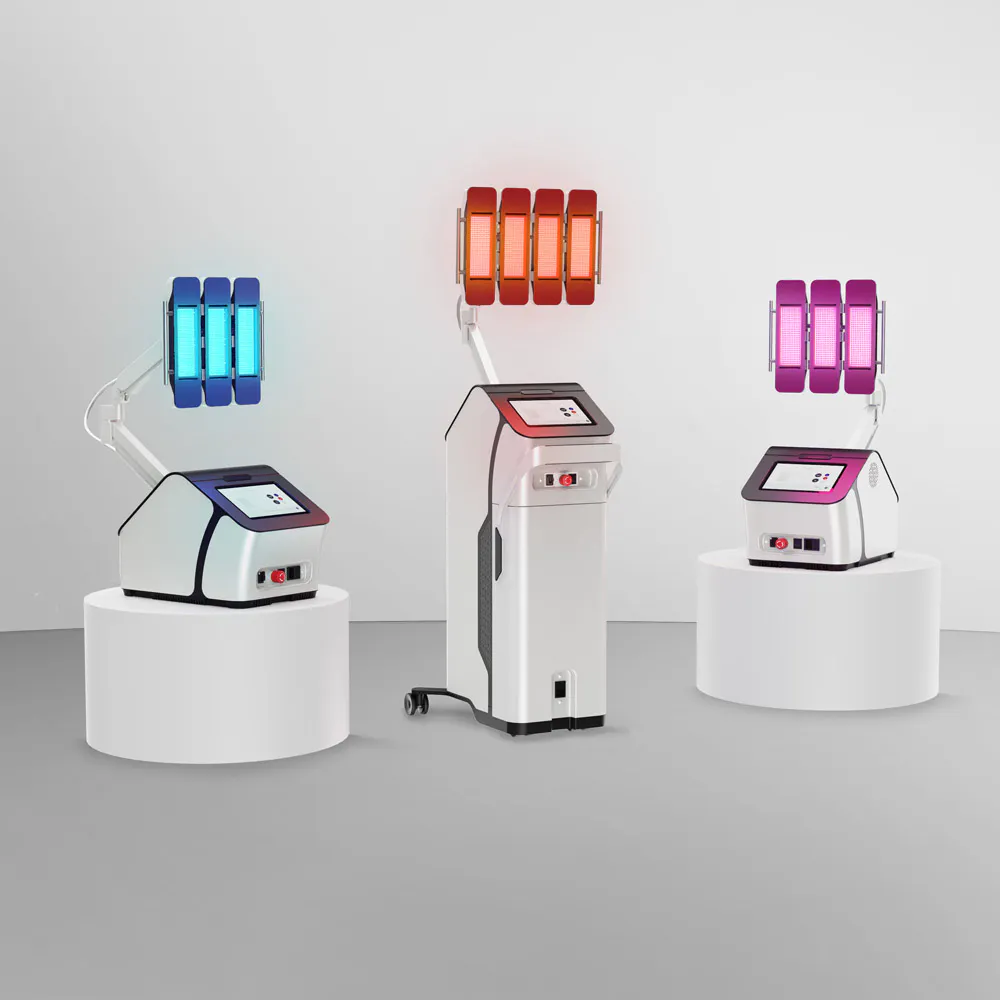
Dermalux is a professional LED phototherapy system that uses three key wavelengths: blue, red and near-infrared. These can be used individually or in combination according to the skin concern being treated.

How does Dermalux work?

Different wavelengths of light penetrate the skin to different depths and have different effects:

Dermalux wavelength How it works What it can help with
Blue light Targets Cutibacterium acnes, one of the bacteria involved in acne Acne, breakouts and associated inflammation
Red light Supports cellular energy production and processes involved in collagen production and skin renewal Fine lines, skin rejuvenation, dullness and recovery
Near-infrared light Penetrates more deeply into the skin and supports processes involved in inflammation and repair Redness, sensitivity and skin recovery
Skin-medical-Dr-Sabika

“One of the things I really like about Dermalux is how versatile it is. We can select different wavelengths depending on what the skin needs, whether we’re trying to calm inflammation, manage breakouts or support skin rejuvenation.”

– Dr Sabika

What can Dermalux LED light therapy treat?

Because different wavelengths have different effects on the skin, Dermalux can be used for several common skin concerns.

These include:

  • Acne and breakouts: blue light can help target acne-associated bacteria, while other wavelengths can help soothe associated inflammation.
  • Redness and sensitivity: red and near-infrared light can support calmer, more comfortable-looking skin.
  • Fine lines and signs of ageing: red light supports processes associated with collagen production and skin renewal.
  • Dull or tired-looking skin: LED therapy can support overall skin health and leave the complexion looking brighter and refreshed.
  • Skin recovery: Dermalux is often incorporated into treatment plans following certain procedures to help soothe the skin and support its natural recovery processes.

For people concerned primarily with a dull or lacklustre complexion, you can also read more about the causes and treatment options for sallow skin.

Is Dermalux different from an LED face mask?

Yes. Although at-home LED face masks and professional Dermalux treatments are based on the same broad principle of photobiomodulation, they are not necessarily equivalent.

LED devices can vary considerably in the wavelengths they use, their intensity, treatment protocols and the consistency of light delivered to the skin. Dermalux is a professional phototherapy system designed for controlled use in a clinical setting.

An at-home LED face mask may be convenient for regular use, but professional treatment also allows your skin to be assessed and the appropriate wavelength or combination of wavelengths to be selected for your individual concerns.

What happens during a Dermalux session?

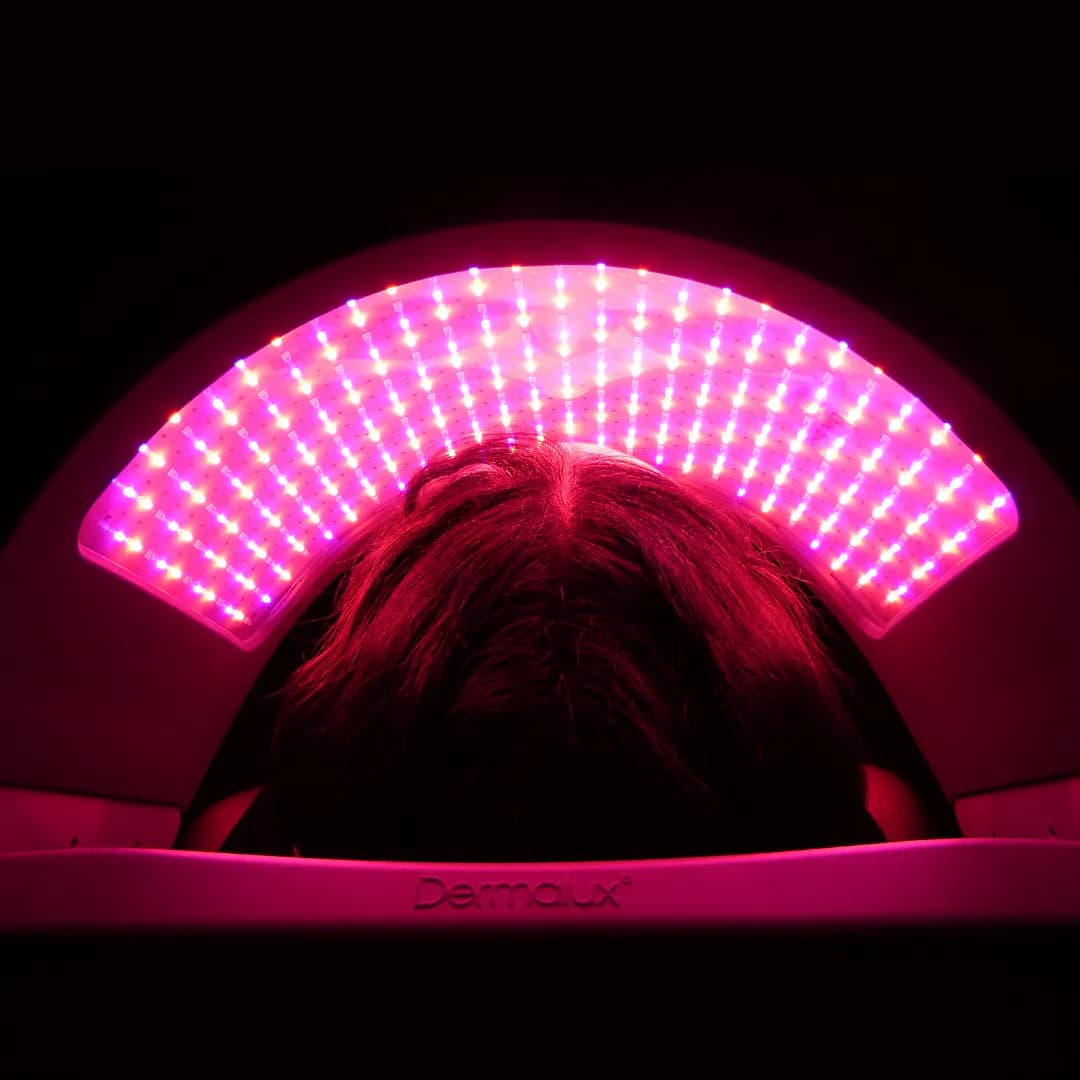
Dermalux treatment is straightforward and relaxing. Once your skin has been prepared, you will lie comfortably beneath the LED panel while the selected wavelengths are delivered to your skin.

You may notice the brightness and some gentle warmth, but the treatment should not be painful. There are no needles, no resurfacing and no deliberate injury to the skin.

A session is typically short enough to fit comfortably into a busy day, and you can return to most normal activities immediately afterwards.

For advice on looking after your skin following treatment, see our full Dermalux Tri-Wave MD aftercare guide.

How many Dermalux sessions do you need?

The number of Dermalux sessions recommended will depend on your skin, the concern being treated and whether LED therapy is being used alone or alongside another procedure.

Some people notice that their skin looks fresher or feels calmer following an individual treatment. However, LED light therapy is generally used as a course because its effects are cumulative. Regular exposure over a series of treatments gives the skin repeated photobiomodulation and can produce a more noticeable improvement over time.

After an initial course, maintenance treatments may be recommended to support ongoing skin health.

Your practitioner can advise on an appropriate treatment schedule following an assessment of your skin.

Does Dermalux have any downtime?

Dermalux itself requires little to no downtime. Because LED therapy does not resurface or intentionally damage the skin, you can usually continue with your normal day immediately after a session.

This makes it particularly useful for people who want to improve their skin without planning around peeling, swelling or a lengthy recovery period.

If Dermalux is performed alongside another procedure, however, the downtime and aftercare associated with that treatment will still apply.

“Dermalux doesn’t have to be a standalone treatment. I often find it particularly useful as part of a wider skin plan, where we can use LED light therapy to support the skin alongside other treatments without adding further downtime.”

– Dr Sabika

Is LED light therapy suitable for sensitive skin?

Dermalux can be a useful option for sensitive or reactive skin because it does not rely on heat, abrasion or exfoliation to produce its effects.

Red and near-infrared wavelengths are often selected when the aim is to calm the skin and support recovery. This can make LED therapy particularly valuable for people whose skin would not currently tolerate a more intensive resurfacing treatment.

That does not mean every treatment is appropriate for everyone. Your medical history, medications and current skin condition should still be considered before starting treatment.

How does Dermalux compare with laser and other energy-based treatments?

Dermalux occupies a different place in a treatment plan from lasers and more intensive energy-based devices.

LED phototherapy uses low-level light to influence cellular processes without deliberately heating or damaging the skin. This makes it particularly useful when the aim is to calm, support or gradually improve the skin with minimal disruption.

Other laser and energy-based technologies can deliver more intensive energy to the skin to target concerns such as pigmentation, texture, laxity or deeper signs of ageing. Depending on the technology and treatment intensity, these procedures may involve more downtime.

It is therefore not necessarily a question of choosing one or the other. Dermalux can be used on its own, but it can also complement more intensive procedures as part of a wider treatment plan.

Skin-Medical-northwood-London

Who is a good candidate for Dermalux?

Dermalux may be worth considering if you have acne-prone skin, persistent redness, sensitivity, early signs of ageing or a dull complexion, or if you want to support your skin before or after another aesthetic treatment.

It can also suit people who want an in-clinic treatment but do not want significant downtime.

The best approach will depend on what is causing your concern. A consultation allows your practitioner to assess your skin and determine whether LED therapy alone is appropriate or whether another treatment would be more effective.

Can Dermalux be combined with other treatments?

Yes. One of the advantages of LED light therapy is that it can fit easily into a broader skin treatment plan.

Dermalux may be used alongside certain injectable, resurfacing or skin-rejuvenation procedures, either to complement the results or to support the skin during recovery. The appropriate timing will depend on the other treatment involved.

For example, skin boosters work differently from LED therapy by delivering injectable ingredients into the skin to improve hydration and skin quality. For suitable patients, the two approaches can form part of the same wider skin plan.


Book your Dermalux consultation at Speak Medical

If you are interested in LED phototherapy, you can learn more about the technology on our Dermalux treatment page. 

At Skin Medical, we can assess your skin and recommend whether Dermalux is best used alone or alongside other treatments to address your concerns.

Speak with a specialist

Google Reviews Rated 5 ★ ★ ★ ★ ★ from 186 Reviews

Safety in Beauty logo
verified-provider-hydrafacial
ico-logo
skin-medical-bcam
sabika-karim-award-winning
safety-in-beauty
Speak to a specialist