Cellulite affects the vast majority of women at some point, whatever their weight or fitness, so it is no surprise that the search for an effective cellulite treatment is so common. The honest answer is that cellulite cannot be cured permanently, but its appearance can be improved. In this guide, the doctor-led team at Skin Medical in Northwood explains which treatments have the best support, which claims to be wary of and what results are realistic.
Yes, but it cannot be removed for good. Treatments that strengthen the skin, release or soften the fibrous bands beneath it, or reduce excess fat can make dimpling look smoother. Most people see a partial improvement rather than a complete change, and some maintenance is usually needed. Realistic cellulite reduction means skin that looks smoother and firmer, rather than skin with no dimpling at all.
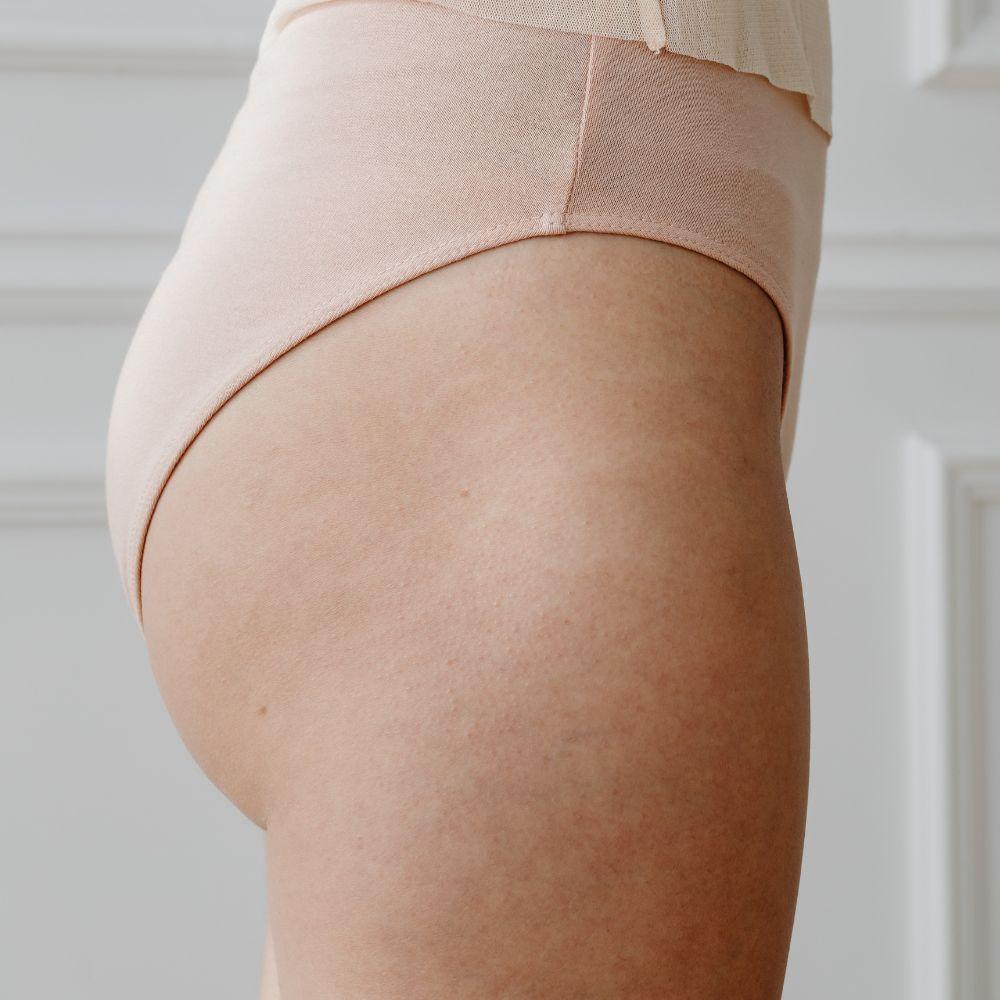
Cellulite is the dimpled, uneven texture most often seen on the thighs, buttocks and hips. It forms where three things meet: fat cells beneath the skin, fibrous bands (septae) that tether the skin to deeper tissue, and the strength and thickness of the skin itself. When fat pushes up between bands that pull down, the surface looks puckered. Thinner, looser skin makes this more visible.
Hormones, genetics, age and lifestyle all play a part. If you would like to understand the causes in more detail, read our guide on who gets cellulite.
The right treatment of cellulite depends on what is driving it in your case: loose or thin skin, tight fibrous bands, excess fat or a combination.
| Treatment | What it targets | Typical sessions | Downtime |
|---|---|---|---|
| Collagen stimulators (such as Lanluma) | Skin thickness and firmness, dimpling | 1 to 3, around 4 to 6 weeks apart | Bruising and tenderness for a few days |
| Radiofrequency and energy-based devices | Skin tightening and texture | Often 6 or more, weekly or fortnightly | Usually none |
| Fat freezing | Localised fat, not cellulite itself | 1 to 2 per area | Usually minimal |

Collagen stimulators contain poly-L-lactic acid (PLLA), which is injected in a diluted form just beneath the skin. Over the following weeks, it prompts your body to produce new collagen, which can thicken and firm the skin so that dimples are less noticeable.
Lanluma cellulite treatment is one of the most widely used options in this category, and Sculptra Body works in a similar way. They are often chosen for the backs of the thighs and buttocks, and can be combined with a bum lift where shape is also a concern. Our guide to Sculptra Body vs Lanluma explains how the two products compare.
Radiofrequency devices heat the deeper layers of the skin to encourage collagen remodelling and tighten the surface. They are comfortable and need no downtime, but improvements tend to be modest and a course of sessions with ongoing maintenance is usually needed.
Fat freezing reduces stubborn pockets of fat by cooling fat cells until they break down. It does not treat cellulite directly, and in some cases removing fat can leave skin looser, which may make dimpling more visible. It is most useful as part of a wider plan where excess fat is part of the concern. Find out more about fat freezing.
Many patients get the best result from a combination, for example fat freezing to reduce a stubborn area, followed by a collagen stimulator to firm the skin over it. Combined plans should be designed by a doctor, who will consider timing, your skin quality and your goals.


Many creams claim to melt or tighten cellulite, often using caffeine, retinol or plant extracts. Some may make the skin look slightly smoother for a short time, but there is little reliable evidence that any cream produces a lasting change. Be cautious of anything that promises to get rid of cellulite in days, permanently or without effort.
So, how do you get rid of cellulite? In reality, the aim is to reduce its appearance. Keeping a stable, healthy weight, staying active and building muscle tone all help, alongside the right clinical treatment.
Most healthy adults with mild to moderate cellulite can be considered. Treatment may not be suitable during pregnancy or breastfeeding, where there is infection in the area, or with some medical conditions. People with lipoedema, a condition that causes painful, disproportionate fat on the legs, need a medical assessment because it is often mistaken for cellulite.
After collagen stimulator injections, it is common to have swelling, bruising and tenderness for a few days. You may be asked to massage the area at home and avoid strenuous exercise for a day or two. Energy-based treatments usually cause only temporary warmth or redness. Your practitioner will give you aftercare advice for your specific treatment.
Results from collagen stimulators build gradually, with many patients noticing smoother skin at two to three months and further improvement up to six months. These results can last around two years. Fat freezing results appear over two to three months. With all treatments, improvement varies between patients, and occasional maintenance helps to sustain it.
Cellulite has several causes, and the best treatment depends on your skin, fat distribution, fibrous bands and medical history. A doctor can confirm it is cellulite rather than another condition, recommend the right approach or combination, and give you an honest view of what is achievable. Skin Medical was founded by award-winning aesthetic doctor Dr Sabika Karim, and patients looking for cellulite treatment in London and Hertfordshire visit our Northwood clinic for an assessment. You can find more on our cellulite treatment page.

There is no single best cellulite treatment for everyone, because cellulite has several causes. Collagen stimulators such as Lanluma can thicken and firm the skin, energy-based devices can tighten its surface, and fat reduction may help where excess fat is a factor. A doctor will assess what is driving your cellulite and recommend the most suitable option or combination.
No treatment can remove cellulite permanently, because the fibrous bands, fat and skin changes that cause it are a normal part of the body’s structure. Treatments can improve its appearance, sometimes noticeably, but some maintenance is usually needed. Ageing, weight changes and hormones can also affect how cellulite looks over time.
Lanluma contains poly-L-lactic acid, which is diluted and injected just beneath the skin. It prompts your body to produce new collagen over the following weeks, which can thicken and firm the skin so dimpling looks smoother. Results develop gradually over two to three months and may continue to improve for up to six months.
This depends on the treatment. Collagen stimulators usually need one to three sessions around four to six weeks apart. Energy-based devices often need six or more sessions, followed by maintenance. Fat freezing usually needs one or two sessions per area. Your doctor will recommend a plan based on your assessment.
Some creams containing caffeine or retinol may make skin look slightly smoother for a short time, but there is little reliable evidence that any cream produces a lasting reduction in cellulite. Creams cannot reach or change the fibrous bands beneath the skin. They are best seen as a supportive part of skincare rather than a treatment.
Fat freezing reduces pockets of fat but does not treat cellulite directly. In some people, reducing fat can leave the skin looser, which may make dimpling more visible. Fat freezing is most useful as part of a wider plan where excess fat is part of the concern, sometimes combined with a skin-strengthening treatment.
After collagen stimulator injections, swelling, bruising and tenderness are common for a few days. Most people return to work the next day. You may be asked to massage the area at home and avoid strenuous exercise for a day or two. Your practitioner will provide aftercare advice for your treatment.
Exercise and a healthy weight can improve muscle tone and reduce the fat that contributes to cellulite, which may make it less noticeable. However, even very fit people can have cellulite, because it is also linked to genetics, hormones and skin structure. Exercise works best alongside the right clinical treatment.
Cellulite is much less common in men, but it can occur. Most treatments, including collagen stimulators and energy-based devices, are suitable for men as well as women. A doctor will assess your skin and the cause of the dimpling to recommend the most appropriate option.
If you would like to improve the appearance of cellulite, a consultation with our doctor-led team is the best place to start. We will assess your skin, explain which treatments are likely to help and give you an honest view of the results you can expect. Contact Skin Medical to arrange your consultation.