Written by Skin Medical. Checked by Dr Sabika Karim
The under-eye area has a huge impact on how rested, healthy and youthful we appear. Even patients with excellent skin and good facial structure often feel frustrated by hollowness, shadowing or dark circles beneath the eyes, particularly when these changes make them look permanently tired despite feeling well rested.
Because of this, under-eye filler has become one of the most requested treatments in aesthetic medicine. When performed well, it can soften hollowness, reduce shadowing and create a fresher, brighter appearance. However, it is also one of the most technically demanding areas to treat safely.
The tear trough is anatomically delicate, with thin skin, complex blood vessels and very little margin for error. This means that under-eye filler requires careful assessment, conservative technique and a strong understanding of facial anatomy.
At Skin Medical, we approach tear trough treatment cautiously and strategically, because not every patient is suitable for filler and, in many cases, alternative treatments may create a safer or more natural result.
In this guide, we explain how under-eye filler works, what results patients can realistically expect, the risks involved and the alternatives worth considering.
You can also explore our full eye rejuvenation guide to learn more about regenerative under-eye treatments.
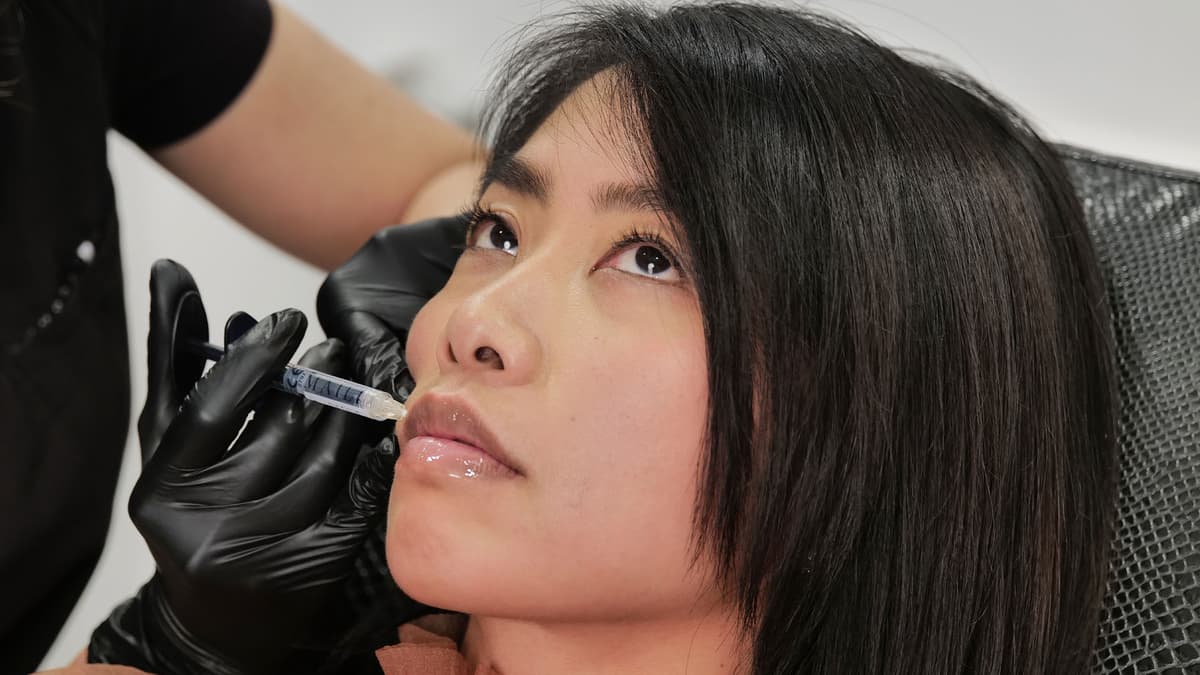
Under-eye filler, also known as tear trough filler, involves placing a soft hyaluronic acid filler beneath the eyes to improve hollowness and reduce shadowing.
The treatment is designed to smooth the transition between the lower eyelid and upper cheek, helping the area appear less sunken or tired.
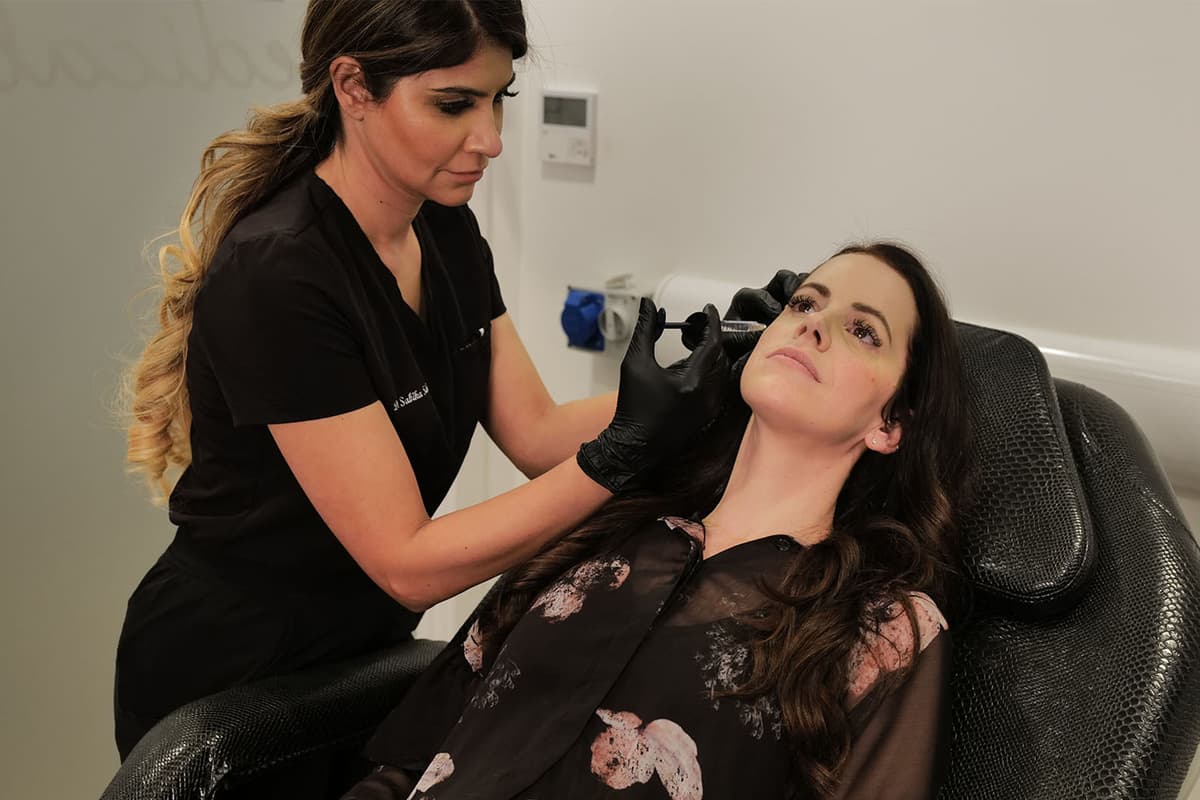
Most practitioners use a cannula technique to minimise bruising and improve safety, although techniques vary depending on anatomy.
The filler itself is usually a lightweight hyaluronic acid product chosen specifically for the delicate under-eye tissue. Unlike heavier fillers used in the cheeks or jawline, tear trough filler must integrate very softly beneath thin skin.
At Skin Medical, we use conservative placement strategies designed to create subtle brightening rather than obvious volume.

When suitable patients are treated carefully, under-eye filler can create beautifully natural improvement.
Patients often notice:
Importantly, under-eye filler does not erase every sign of tiredness or ageing. It works best for structural hollowness rather than pigmentation, loose skin or severe puffiness.
This is one of the reasons consultation matters so much. Some patients assume they need filler when their primary concern is actually:
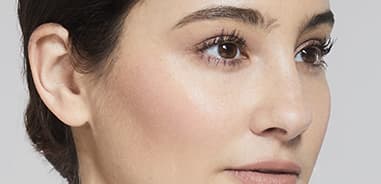
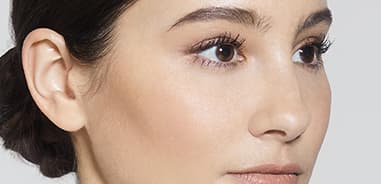
Results typically last between 12 and 18 months, although longevity varies depending on individual factors such as metabolism, product choice, placement technique and lifestyle. Many patients also benefit from combining filler with skin quality treatments such as polynucleotides or skin boosters for a more complete rejuvenation approach.
The under-eye area is one of the most delicate and complex regions of the face. The skin here is significantly thinner than elsewhere, which means even small amounts of product can become visible if placed incorrectly.
In addition, the tear trough contains intricate vascular and lymphatic structures that influence swelling, fluid retention and healing. This is one of the reasons why some patients experience puffiness or prolonged swelling after poorly planned filler treatment.
The eye area is also highly individual. Some patients primarily have:
This is why under-eye filler should never be approached as a quick “one size fits all” treatment.
At Skin Medical, we carefully assess the entire mid-face and eye area before recommending filler. In many cases, improving cheek support or focusing on skin quality may produce a softer and more natural result than placing filler directly into the tear trough itself.
Understanding the cause of tired looking eyes is often the key to choosing the safest and most effective treatment plan.
Under-eye filler can produce excellent results, but it is not a risk free treatment. In fact, the tear trough is considered one of the most anatomically complex areas in aesthetic medicine, which is why practitioner skill and assessment are absolutely critical.
| Risk | What it is | How we minimise it |
|---|---|---|
Swelling | The under-eye area naturally attracts water, meaning filler can sometimes hold excess fluid and create puffiness | Careful product selection and conservative volume placement |
Tyndall effect | If filler is placed too superficially, a bluish tint can develop beneath the skin | Correct injection depth and precise anatomical placement |
Lumps or irregularities | Poor placement or excessive filler can create visible lumps, heaviness or uneven texture | Conservative treatment planning and experienced technique |
Overfilling | Overcorrection is one of the most common issues in this area. The tear trough requires very small amounts of filler | Detailed pre-treatment assessment and staged approach |
Vascular occlusion | Although rare, this is the most serious complication associated with filler, occurring when filler compromises blood flow within a vessel | Treatment performed only by experienced medical practitioners with emergency complication management training |
Not every patient with tired looking eyes is suitable for tear trough filler. The best candidates usually have true hollowing beneath the eyes, good skin quality, minimal puffiness, healthy lymphatic drainage and realistic expectations about what the treatment can achieve.
Patients may be less suitable if they have significant eye bags, fluid retention, very thin skin, heavy puffiness, severe pigmentation or excessive skin laxity. This is because filler can sometimes worsen puffiness or heaviness in patients where these factors are present, making careful assessment essential before proceeding.
One of the most important parts of consultation is distinguishing between hollowness, pigmentation, puffiness and skin quality issues, as each requires a different treatment strategy. Treating the wrong underlying cause with filler can lead to disappointing or counterproductive results.
At Skin Medical, we assess the entire mid-face and eye area rather than treating the tear trough in isolation. In some patients, cheek support or regenerative skin treatments may create a better overall outcome than filler alone.
For many patients, regenerative or skin quality focused treatments may be safer and more effective than filler.
Polynucleotides are increasingly popular for delicate under-eye rejuvenation because they improve tissue quality rather than adding volume.
They can help with:
You can explore polynucleotides for dark circles to learn more about regenerative eye rejuvenation.
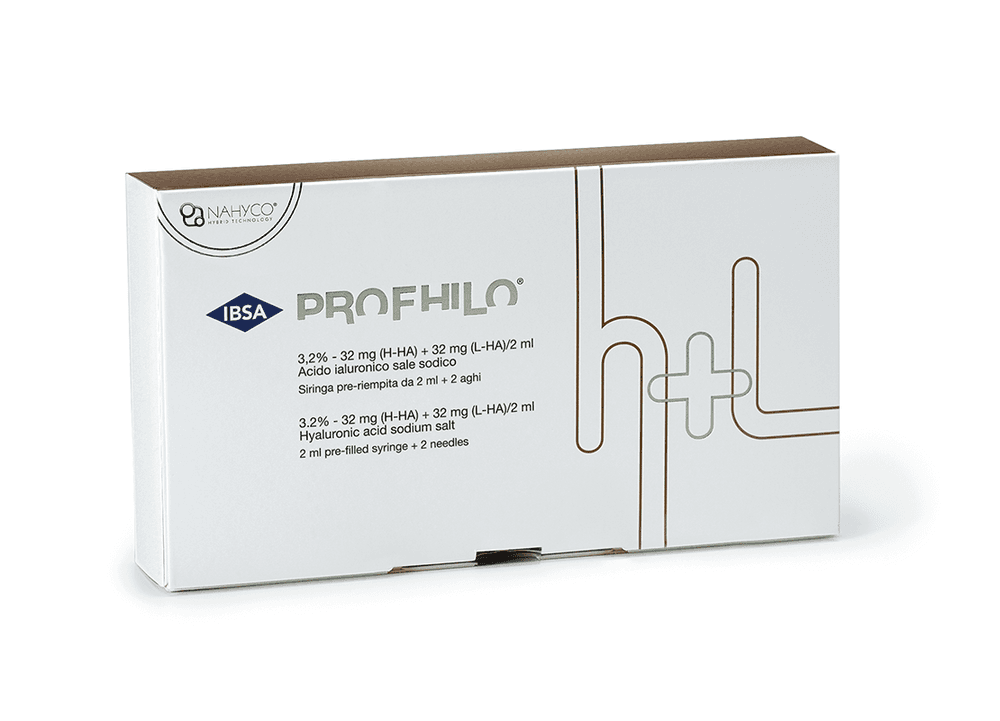
Profhilo can improve hydration and elasticity around the eye area, particularly in patients with thinning or crepey skin.
Rather than volumising, it focuses on overall skin quality and collagen support.
Our Profhilo skin booster guide explains how bio remodelling treatments improve delicate skin quality over time.
Platelet-rich plasma uses growth factors from your own blood to stimulate tissue repair and rejuvenation beneath the eyes.
It is often chosen by patients seeking a more natural regenerative approach.
Hydrating injectable treatments can improve texture and radiance beneath the eyes without creating structural volume.
These treatments are particularly useful for mild dehydration and early crepiness.
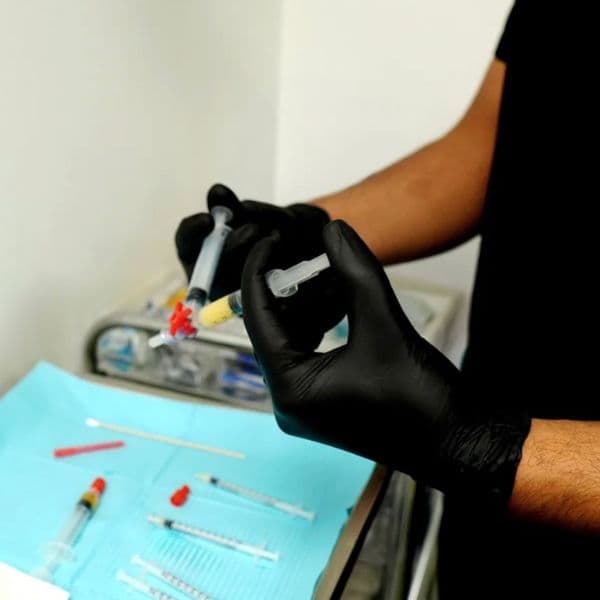
Treatment begins with detailed assessment and photography to evaluate:
If appropriate, numbing cream may be applied before treatment begins.
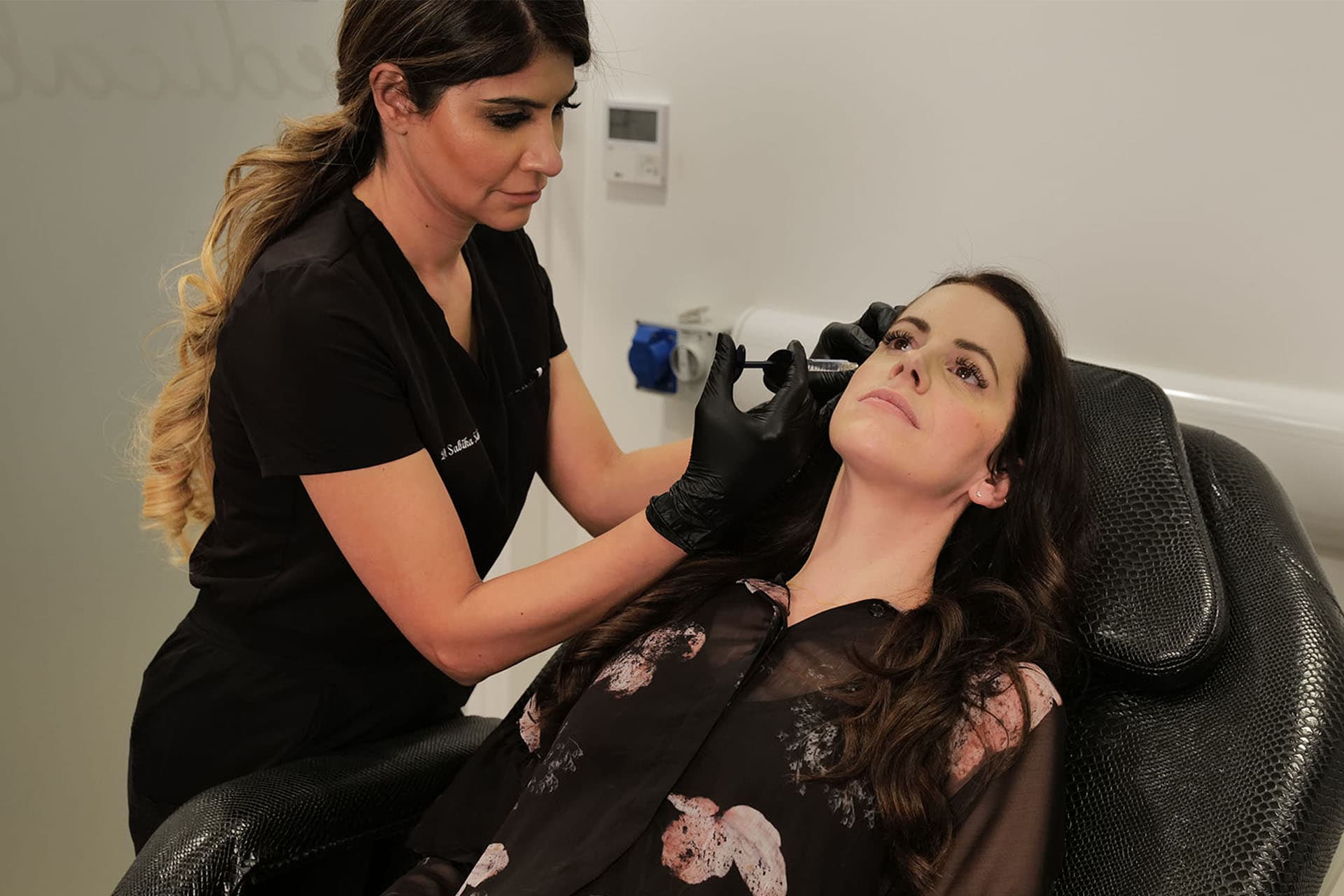
Most under-eye filler treatments are performed using a cannula to reduce trauma and bruising. The procedure itself is relatively quick, although careful placement is essential.
Most patients return to normal activities relatively quickly, although social downtime varies.
At Skin Medical, aftercare guidance is provided carefully to help minimise swelling and optimise healing.
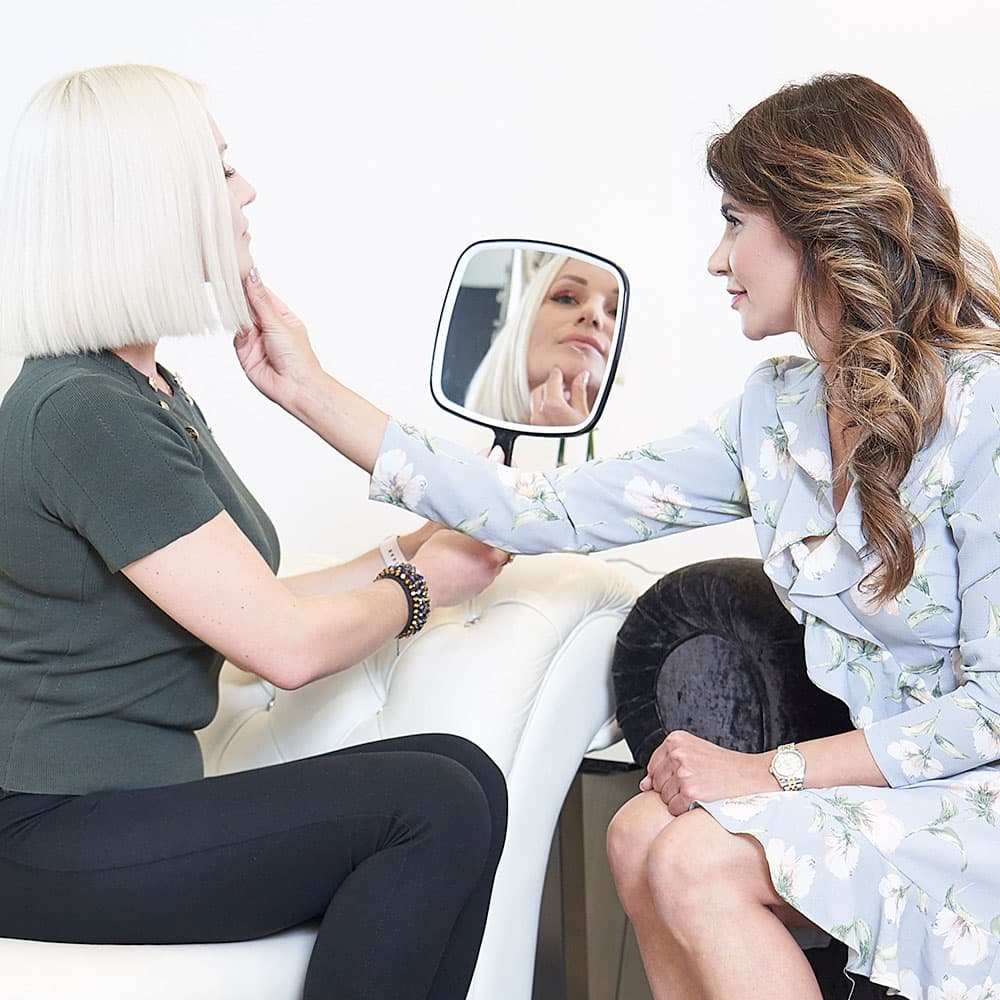
If you are considering under-eye filler or are unsure whether tear trough treatment is right for you, our medical team can guide you through the safest and most appropriate options.
Book a consultation at Skin Medical to create a personalised eye rejuvenation plan tailored to your anatomy, skin quality and long term goals.
Most patients experience only mild discomfort. Numbing cream and cannula techniques help improve comfort during treatment.
Yes. Hyaluronic acid filler can usually be dissolved using hyaluronidase if needed.
Results often last between 12 and 18 months depending on the individual and treatment approach.
The Tyndall effect is a bluish discolouration that can occur if filler is placed too superficially beneath thin under-eye skin.
Skin Medical is a doctor-led aesthetic clinic known for subtle, natural-looking results delivered safely. We serve patients from the world over, but closer to home we serve: London, Middlesex, Herefordshire, Buckinghamshire, Berkshire and Oxfordshire. We are within easy reach of Heathrow airport, M25, M1 and A40 by road and London by Met line tube. Our local patients come to us from Northwood, Rickmansworth, Pinner, Hatch End, Ruislip, Harrow, Beaconsfield, Amersham, Chorleywood, Marlow, Stoke Poges and Windsor.