Written by Dr Sabika Karim. Checked by Skin Medical.
When patients ask me about Julaine and Profhilo, they are often trying to solve the same problem. They feel that their skin is not looking quite as fresh, firm or radiant as it once did, but they are not sure which treatment will help them achieve the most natural result.
The confusion is understandable. Both Julaine and Profhilo are injectable treatments designed to rejuvenate the skin, and both have become increasingly popular among patients looking for subtle, long-term improvements rather than dramatic change. However, they work in very different ways beneath the skin and are designed to address different aspects of the ageing process.
At Skin Medical, we always start by understanding what is driving the concern, whether that’s dehydration, loss of elasticity, declining collagen levels or early skin laxity. From there, we can recommend the treatment that is most likely to deliver the result you’re looking for.
In this guide, I’ll explain how Julaine and Profhilo work, who they are best suited to and whether one, or a combination of both, may be right for you.
Julaine is a collagen biostimulator designed to improve skin quality and structural support by encouraging the body to produce new collagen over time.
Unlike traditional fillers, Julaine does not simply add volume. Instead, it contains poly-L-lactic acid (PLLA), a well-established biostimulatory ingredient that triggers a gradual regenerative response within the skin.
Following treatment, the PLLA particles stimulate fibroblasts, which are responsible for producing collagen. As new collagen develops, the skin becomes firmer, more resilient and better supported.
Patients often choose Julaine when they are concerned about:
One of the advantages of Julaine is that results continue to develop gradually. Rather than creating an immediate change, the treatment works with the body’s natural processes to rebuild support over several months.
Most patients undergo an initial treatment course followed by maintenance sessions as recommended by their practitioner.
It’s important to remember that Julaine is not the only choice of collagen-stimulating injectable treatment on the market, and there are different solutions for different needs. For example, you can learn about how Julaine compares to Sculptra; another highly effective collagen-stimulating injectable offered at Skin Medical, that produces long-lasting, natural-looking results.
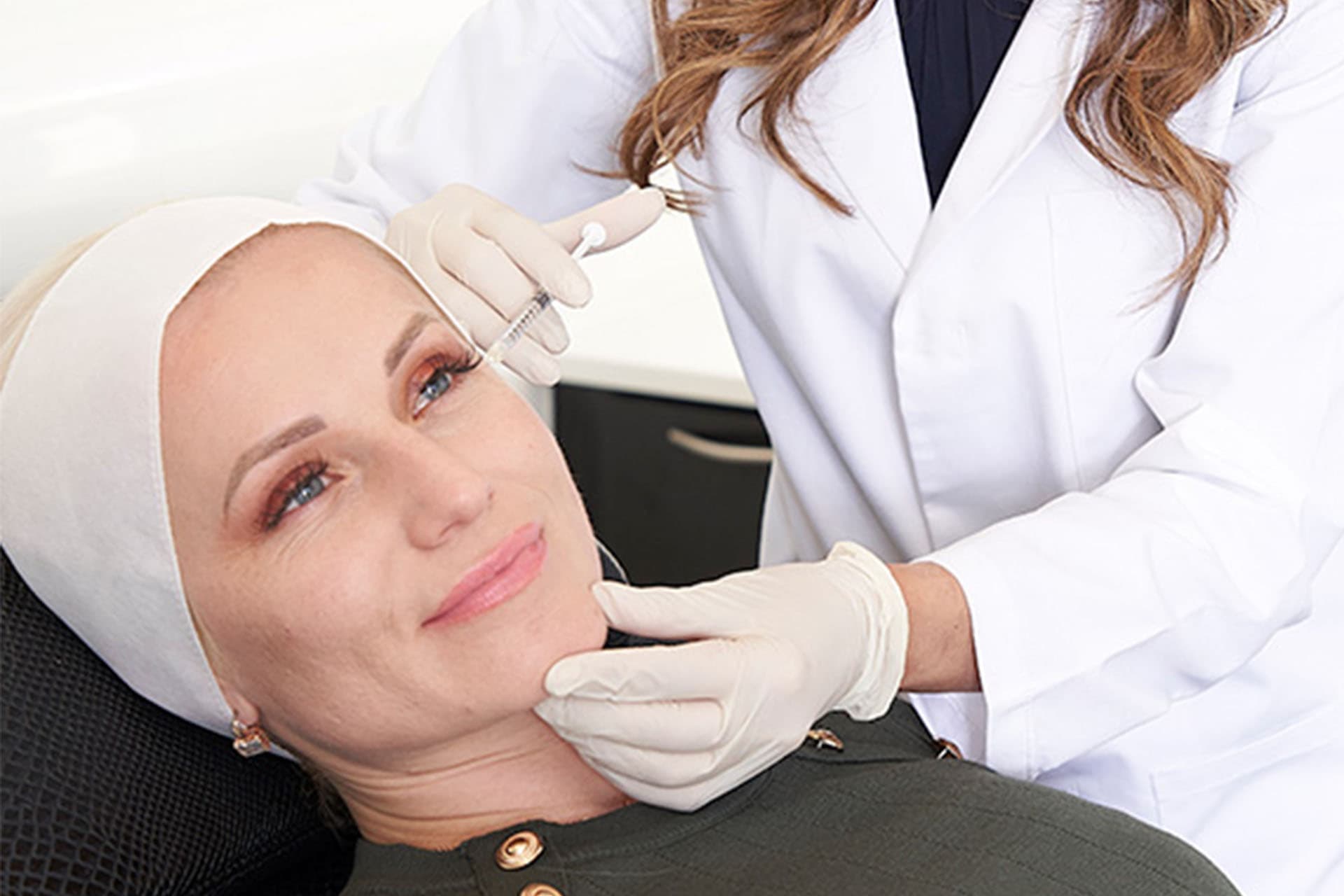
Profhilo is a completely different type of injectable treatment to both Julaine and Sculptra. Rather than stimulating significant structural collagen rebuilding, it focuses on hydration, elasticity and skin quality.
Profhilo contains one of the highest concentrations of hyaluronic acid available in aesthetic medicine. However, unlike dermal fillers, it does not create shape or contour.
Instead, the product spreads beneath the skin and acts as a bio-remodelling treatment, stimulating both collagen and elastin while delivering deep hydration.
Profhilo is particularly effective for:
Patients often describe Profhilo as creating a healthier, more luminous appearance rather than a visibly “treated” look.
Because Profhilo works primarily through hydration and tissue quality improvement, it is often chosen by patients who want refreshed skin without adding volume.
Although both treatments support healthier, younger-looking skin, they achieve this through very different mechanisms.
| Category | Julaine | Profhilo |
|---|---|---|
Main mechanism | PLLA collagen stimulation | Hyaluronic acid bio-remodelling |
Primary benefit | Structural collagen rebuilding | Hydration and skin quality |
Results timeline | Gradual improvement over several months | Progressive improvement over several weeks |
Typical sessions | Usually a course of treatments | Typically 2 sessions initially |
Longevity | Longer-lasting collagen support | Around 6 months before maintenance |
Downtime | Mild swelling or bruising possible | Mild swelling at injection points |
Best suited for | Collagen loss, laxity and structural ageing | Dehydration, dullness and fine lines |
Indicative cost range | Higher initial investment | Lower initial investment |
“Patients often ask which treatment is better, but the real question is what your skin actually needs. Julaine and Profhilo solve different problems, and the best results come from matching the treatment to the concern rather than following trends,” says Dr Sabika.
Over the past few years, there has been a significant shift in aesthetic medicine towards regenerative treatments that support the skin from within. Many patients no longer want dramatic changes or obvious volume. Instead, they are looking for treatments that help them age well while maintaining natural facial characteristics. This is where treatments such as Julaine have attracted growing interest. By stimulating the body’s own collagen production, they encourage gradual improvement rather than creating immediate transformation.
At the same time, treatments such as Profhilo remain extremely popular because they improve hydration and skin quality in a way that feels subtle and effortless. Increasingly, patients are combining regenerative treatments with skin quality treatments to create a more comprehensive approach to ageing.
Choosing between Julaine and Profhilo often comes down to identifying the primary cause of ageing changes.
Julaine may be more suitable if you are concerned about:
Profhilo may be more suitable if you are concerned about:
A useful way to think about the difference is that Profhilo focuses on the quality of the skin itself, while Julaine focuses more on the underlying support framework.
For many patients, the answer is not one or the other. Some benefit from both treatments at different stages of their rejuvenation journey.
Yes, and this is becoming increasingly common because Julaine and Profhilo work through different mechanisms, they can complement each other extremely well when incorporated into a personalised treatment plan.
A typical approach may involve:
The treatments are usually sequenced carefully rather than administered simultaneously, allowing the skin to respond optimally to each stage of treatment.
At Skin Medical, our team led by Dr Sabika Karim offer combination protocols are tailored according to:
This personalised approach often creates more balanced and natural outcomes than relying on a single treatment alone.

The costs of Julaine and Profhilo treatments are available within our pricing page. These are listed as “Starting From” prices, to give you an idea of the pricing for the treatment. Each treatment is costed individually based on a thorough consultation with our team.
If you are deciding between Julaine and Profhilo, the best place to start is with a personalised consultation. Our experienced team can assess your skin, discuss your concerns and recommend the most appropriate treatment plan for your goals. Whether you are looking for collagen stimulation, improved skin quality or a combination approach, we can help you create a long-term strategy tailored specifically to you.
Neither treatment is universally better. Julaine is designed for collagen stimulation and structural support, while Profhilo focuses on hydration and skin quality.
Profhilo typically requires maintenance every few months, while Julaine is designed to provide longer-term collagen stimulation. Longevity varies between individuals.
Both treatments involve minimal downtime. Most patients experience mild swelling, tenderness or bruising that settles quickly.
Yes. Many patients combine the two treatments as part of a personalised rejuvenation plan because they address different aspects of ageing.