Written by Dr Sabika Karim. Checked by Skin Medical.
One of the things I find most exciting about aesthetic medicine is how quickly it continues to evolve. Treatments that would have sounded futuristic just a few years ago are now becoming part of everyday conversations at the Skin Medical clinic, particularly among patients who are interested in supporting their skin health in a more regenerative way.
Exosome therapy is one of those treatments. Over the past year, I’ve had more and more patients asking about exosomes, wanting to understand what they are, how they work and whether they genuinely live up to the growing attention they’re receiving.
If you’ve spent time researching skin rejuvenation recently, you may have come across claims that exosomes can improve healing, stimulate collagen production and support healthier, younger-looking skin. But as with any emerging treatment, it’s important to separate marketing from science.
At Skin Medical, we’re passionate about evidence-based regenerative medicine. We believe patients deserve clear, honest information about how treatments work, what benefits they may offer and where they fit within a long-term skin health strategy.
In this guide, we’ll explore the science behind exosome therapy, explain why it has become such a significant trend in aesthetic medicine and compare biosomes vs exosomes to help you understand the differences.
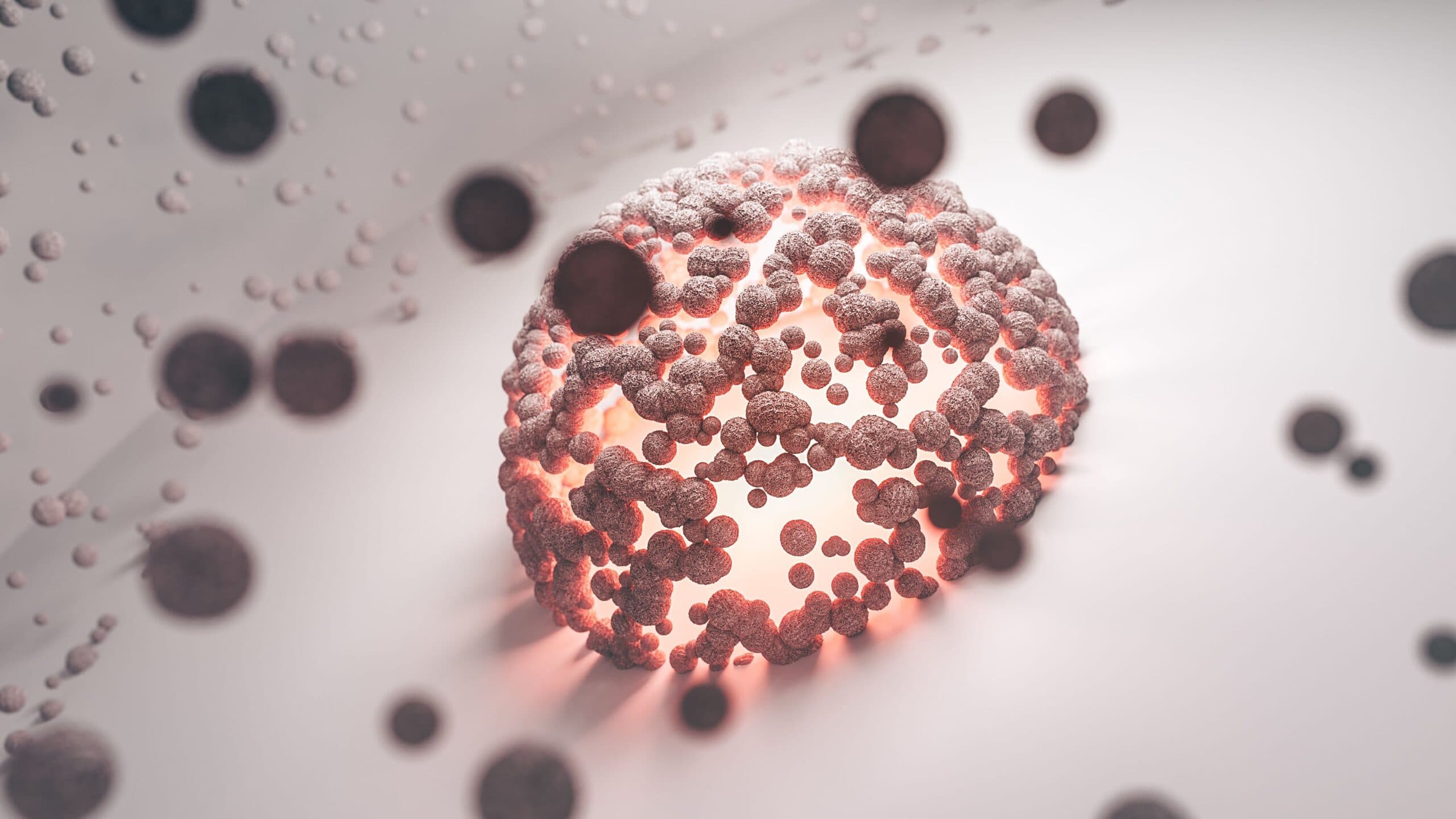
Exosomes are tiny extracellular vesicles naturally released by cells throughout the body. They act as biological messengers, carrying proteins, lipids, growth factors and genetic material between cells. Their role is communication.
Rather than functioning as cells themselves, exosomes help coordinate cellular activity by delivering signals that influence healing, regeneration and tissue repair.
In recent years, researchers have become increasingly interested in exosomes because of their potential role in regenerative medicine. Scientists believe they may help support processes involved in:
Because skin ageing is closely linked to declining cellular function and collagen loss, exosomes have attracted significant attention within aesthetic medicine.
One of the biggest goals in modern aesthetics is encouraging the skin to behave more like younger skin.
Traditional treatments often focus on correcting visible signs of ageing, such as wrinkles, pigmentation or volume loss. Regenerative treatments take a different approach. They aim to support the biological processes responsible for healthy skin function.
This is where exosomes have generated so much interest.
Exosome therapy is designed to enhance the skin’s natural repair mechanisms by delivering signalling molecules that encourage regeneration and recovery.
Potential benefits may include:
For many practitioners, exosomes represent an exciting development because they align with the growing shift towards regenerative aesthetics rather than purely corrective treatments.

Exosome therapy is most commonly used alongside treatments that create controlled stimulation within the skin.
These may include:
Following treatment, exosome formulations are applied to the skin to support recovery and regeneration. The theory is that the signalling molecules contained within the exosomes help optimise communication between cells, encouraging repair processes and supporting collagen production.
Because exosomes are not acting as fillers or volumisers, patients should not expect immediate dramatic changes. Instead, improvements tend to develop gradually as the skin undergoes its natural regenerative processes.
This makes exosome therapy more comparable to treatments such as polynucleotides and collagen stimulators than traditional dermal fillers.
Exosome therapy has generated significant interest within both medical and aesthetic research communities.
Early studies suggest exosomes may play a valuable role in:
Researchers have observed promising results in laboratory and clinical settings, particularly regarding skin repair and recovery.
However, it is important to maintain perspective.
While the science is exciting, exosome therapy remains an evolving field. More long-term, large-scale clinical studies are still needed to fully understand the treatment’s effectiveness and establish best practice protocols.
This does not mean exosomes are ineffective. Rather, it highlights the importance of choosing a medically led clinic that takes an evidence-based approach rather than relying on exaggerated marketing claims.
At Skin Medical, patient safety and scientific credibility always come first.
Although research continues to develop, exosome therapy is most commonly used to support:
As collagen and elastin decline, skin gradually loses firmness and resilience. Exosome therapy may help support regenerative processes that contribute to healthier-looking skin.
By encouraging cellular repair and collagen production, exosomes may improve overall skin texture and smoothness.
Many patients seek regenerative treatments because they want healthier, brighter skin rather than dramatic aesthetic changes.
One of the most common uses for exosomes is supporting recovery after treatments such as laser resurfacing or microneedling.
Increasingly, patients are seeking preventative treatments that help maintain skin quality before significant ageing changes develop.
One of the most common questions patients ask is about biosomes vs exosomes.
The two terms are sometimes used interchangeably, but they are not necessarily the same.
Exosomes are naturally occurring extracellular vesicles produced by living cells. Their primary function is cellular communication.
Biosomes are bioengineered vesicles designed to mimic some of the beneficial properties associated with exosomes. They are often developed with several goals in mind: improving consistency, enhancing safety profiles, addressing regulatory considerations, and enabling scalable production.
| Feature | Exosomes | Biosomes |
|---|---|---|
Origin | Naturally cell-derived | Bioengineered |
Function | Cellular communication | Designed to mimic regenerative signalling |
Consistency | Can vary | Typically more standardised |
Availability | More limited | Often easier to manufacture |
Regulatory considerations | Evolving area | Often developed to improve compliance |
Exosome therapy is typically incorporated into a broader treatment plan rather than performed as a standalone procedure. Most commonly, patients receive exosomes alongside treatments such as microneedling, RF microneedling and laser skin rejuvenation.
The treatment itself is generally straightforward. After the primary procedure has been completed, the exosome solution is applied to the skin, where it can interact with the freshly stimulated tissue. Downtime depends largely on the treatment being combined with the exosomes rather than the exosomes themselves. Most patients experience mild redness, temporary sensitivity and/or a warm sensation in the skin. Recovery times vary depending on the intensity of the accompanying treatment.
Exosome therapy may appeal to patients who:
It may be particularly attractive to patients who are less interested in adding volume and more focused on improving skin health from within.
However, suitability should always be assessed during consultation.
At Skin Medical, treatment recommendations are based on:
One of the reasons exosome therapy has generated so much attention is that it reflects a broader shift within aesthetic medicine. Patients are increasingly looking beyond quick fixes and focusing on treatments that support the skin’s natural regenerative abilities, a trend that has already driven the popularity of polynucleotides, collagen stimulators, PRP and other regenerative skin therapies. Exosomes represent another exciting development within this space, and as research continues to evolve, they may become an increasingly important tool in helping patients maintain healthy, resilient skin throughout the ageing process.
“What excites me most about regenerative treatments is that they focus on supporting healthier skin rather than simply masking signs of ageing. Exosome therapy is a fascinating area of research and one that reflects where aesthetic medicine is heading in the future,” says Dr Sabika.

If you’re interested in learning whether exosome therapy could form part of your skin rejuvenation plan, our medical team can help.
We’ll assess your skin, discuss your goals and recommend the most appropriate evidence-based treatments for your individual needs.
Book a consultation with Skin Medical today to explore the latest advances in regenerative aesthetics.

Exosome therapy is a regenerative treatment designed to support cellular communication, skin repair and collagen production. It is often combined with treatments such as microneedling or laser resurfacing.
Exosome therapy is an emerging area of aesthetic medicine. Safety depends on product quality, clinical protocols and practitioner expertise.
Most patients notice gradual improvements over several weeks as the skin undergoes natural regenerative processes.
They work differently. Polynucleotides focus on tissue repair and regeneration, while exosomes are involved in cellular communication. The most appropriate option depends on your skin concerns and treatment goals.
Exosomes are naturally cell-derived signalling vesicles, while biosomes are bioengineered alternatives designed to mimic some of their regenerative properties.