These days, aesthetic treatments are more accessible than ever. From fillers and skin boosters to lasers and advanced skin tightening, many treatments that were once only available in medical settings are now offered on high streets and online booking platforms. But while choice can be a good thing, it has also created confusion for patients trying to understand what truly separates a doctor-led aesthetic clinic from a non-medical high street salon.
At Skin Medical, we often see patients who are unsure whether it really matters who performs their treatment. Many are comparing clinics based on price alone, without realising how much training, regulation and medical oversight can affect both safety and results.
Today, I’ll explain the key differences between a doctor-led aesthetic clinic and a high street salon, and why medical expertise plays such an important role in protecting your skin, your health and your long-term results. Let’s start with the basics.
A doctor-led aesthetic clinic is one where treatments are overseen, planned and performed by qualified medical doctors. These practitioners have completed years of formal medical training, including in anatomy, physiology, pathology and patient safety.
In contrast, high street salons are often run by beauty therapists or aesthetic practitioners whose training may focus on practical technique rather than medical science. While many non-medical practitioners are skilled in their field, their qualifications and scope of practice are very different from those of a doctor.
Doctor-led care means:
Treatments are planned with full medical understanding
Decisions are based on anatomy, skin health and long-term outcomes
Complications can be recognised and managed immediately
Patient safety is prioritised over speed or volume
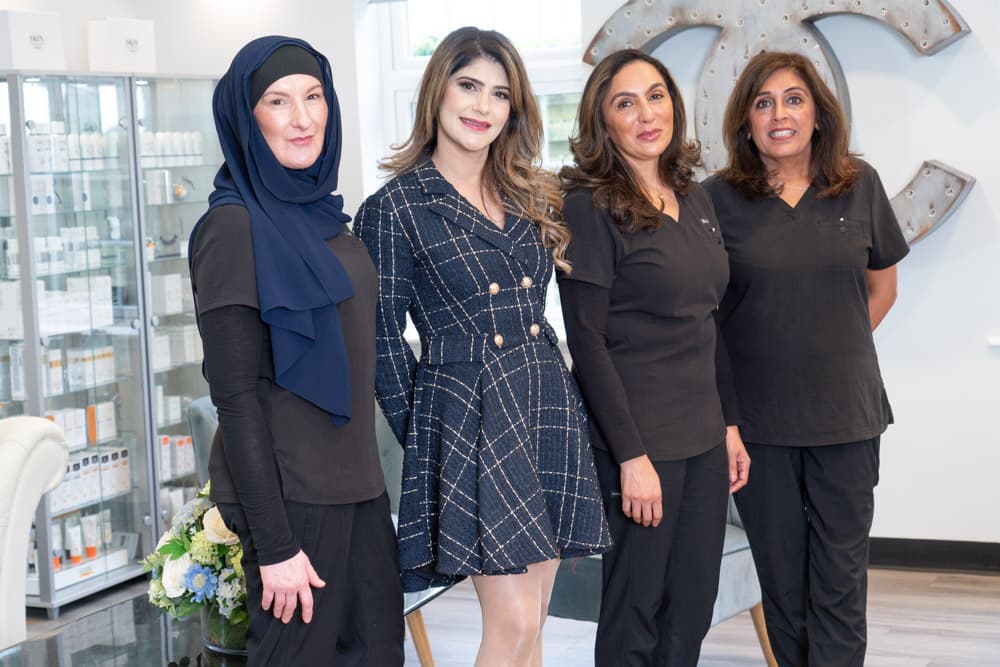
Doctors undergo extensive training that spans many years. This includes learning how the body responds to injury, infection, inflammation and healing. It also includes understanding how different tissues interact beneath the skin, which is critical when performing injectables or energy-based treatments.
Beauty and non-medical aesthetic qualifications vary widely in length and depth. Some courses last days or weeks rather than years, and focus primarily on technique rather than diagnosis or risk management.
The difference matters because aesthetic treatments are not purely cosmetic. They affect blood vessels, nerves, muscle movement and skin integrity. A doctor is trained to understand these systems and how to work safely within them.
The face contains complex networks of blood vessels and nerves, many of which lie just millimetres beneath the skin. Certain areas, known as high risk zones, require advanced anatomical knowledge to treat safely.
Doctor-led aesthetic clinics place a strong emphasis on understanding these structures. This reduces the risk of complications such as vascular occlusion, nerve injury or uneven outcomes.
In non-medical settings, practitioners may not have the same depth of anatomical training or experience managing these risks. This is one of the key reasons medical oversight is so important, particularly for injectables and advanced treatments.
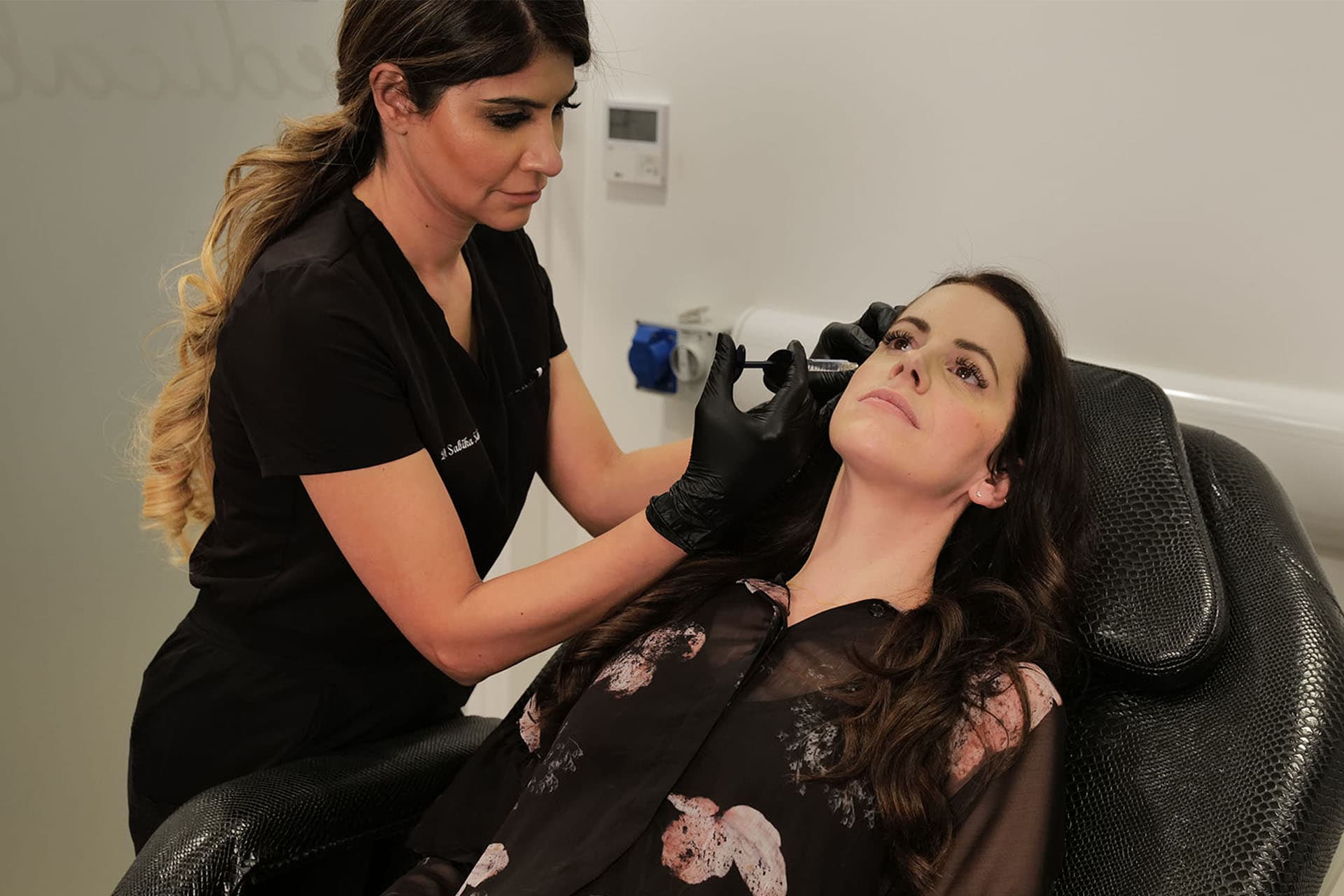
One of the most significant differences between a medical aesthetic clinic and a salon is prescribing authority.
Doctors are able to:
Prescribe prescription-only medicines
Adjust treatment plans based on medical history
Manage adverse reactions safely
Treat complications immediately if they arise
In non-medical settings, practitioners may need to refer complications elsewhere, which can delay treatment and increase risk. Even rare complications require rapid, informed decision-making, something doctors are specifically trained to handle.
At Skin Medical, having prescribing rights means we can act quickly and appropriately, without relying on third parties when patient safety is at stake.
Doctor-led aesthetic care is based on personalised treatment planning rather than standardised packages. This means treatments are chosen and sequenced according to your anatomy, skin condition, age and long-term goals.
A medical consultation looks at:
Skin quality and structure
Facial balance and movement
Lifestyle and medical history
How treatments will age over time
High street salons often focus on individual treatments rather than overall strategy. While this can be appealing in the short term, it may not deliver the most balanced or sustainable results.

Injectable treatments such as anti-wrinkle injections, skin boosters and fillers interact directly with muscles, blood vessels and connective tissue.
Medical oversight matters because:
Dosage and placement require anatomical precision
Facial movement must be preserved, not frozen
Complications, although rare, must be managed immediately
Long-term facial harmony needs careful planning
Doctor-led clinics like the Skin Medical clinic in London are trained to prioritise natural movement and balance, rather than following trends or standardised injection patterns.
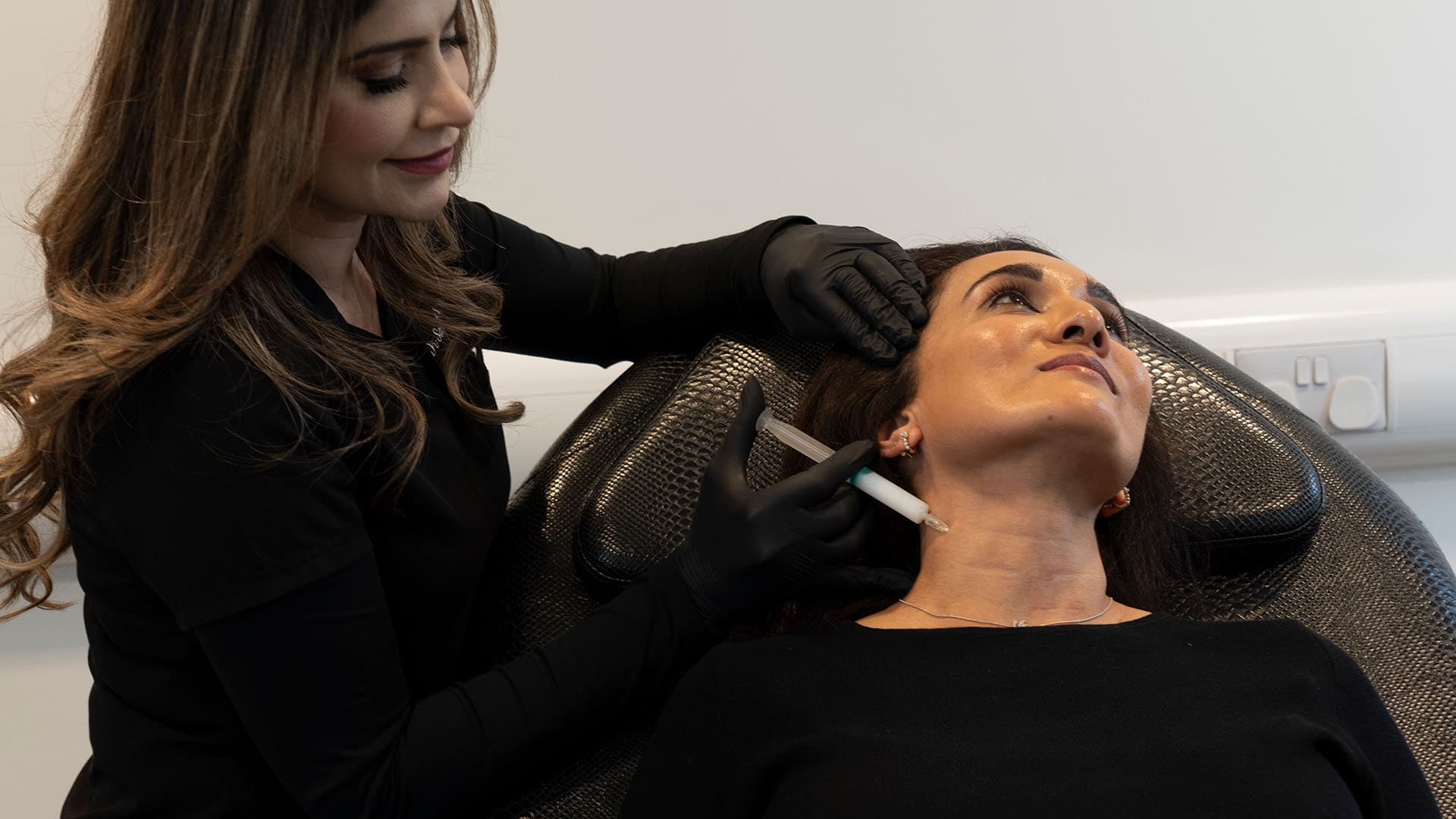
Laser and energy-based treatments work by delivering heat or energy into the skin to stimulate collagen or resurface tissue. Incorrect settings, poor assessment or lack of medical knowledge can increase the risk of burns, pigmentation changes or scarring.
At a doctor-led aesthetic clinic like Skin Medical:
Skin type and tone are carefully assessed
Energy settings are tailored to the individual
Risks are identified before treatment
Results are monitored over time
This level of care is particularly important for patients with sensitive skin, pigmentation concerns or medical conditions affecting healing.
Patients often ask why doctor-led aesthetic clinics are more expensive than high street salons. The answer lies in training, regulation, equipment and responsibility.
Doctor-led clinics invest in:
Extensive medical training
Advanced technology
Clinical governance and safety protocols
Ongoing professional development
Time spent on personalised consultations
You are not just paying for a treatment, but for medical expertise, safety and long-term care.
One of the biggest differences between medical clinics and salons is the focus on long-term skin health. Doctor-led care looks beyond immediate results and considers how treatments will affect the skin over years, not weeks.
This approach helps:
Maintain skin integrity and elasticity
Avoid over treatment
Support collagen and barrier health
Create results that age well
At Skin Medical, every treatment is considered within a broader skin journey, rather than as an isolated intervention.
If you’re new to aesthetics or unsure where to start, asking the right questions can help you make an informed decision:
Who will be performing my treatment?
What medical training do they have?
How are complications handled?
Is my treatment part of a long-term plan?
Choosing a doctor-led aesthetic clinic provides reassurance that your care is grounded in medical knowledge and ethical practice.
At Skin Medical, we believe aesthetic treatments should be safe, considered and medically led.
Whether you are exploring injectables, lasers or skin health treatments for the first time, our doctors will guide you through your options with honesty and care.
If you would like expert advice tailored to your skin and goals, book a consultation with our expert team of doctors at Skin Medical to discuss your options and create a treatment plan that’s right for you.
A doctor-led aesthetic clinic is one where treatments are planned, overseen and often performed by qualified medical doctors. This means decisions are based on medical training, anatomy and patient safety rather than purely cosmetic technique.
In many cases, yes. Doctors are trained to understand facial anatomy, manage complications and assess medical suitability. This is particularly important for injectables and advanced laser treatments.
A medical clinic operates under medical regulation, uses prescription-only products where appropriate and follows clinical safety protocols. High street salons are typically non-medical settings with a different scope of practice and training.
Many non-medical practitioners are skilled and experienced within their training. However, their qualifications differ significantly from medical training, particularly in anatomy, prescribing rights and complication management.
Injectables interact with muscles, blood vessels and connective tissue. Medical oversight ensures precise placement, appropriate dosing and immediate management should any complication arise.
Doctor-led clinics often cost more because you are paying for medical expertise, advanced training, regulation, high quality products and personalised treatment planning, not just the procedure itself.
Regulation varies, but many injectable treatments require a prescription. In medical clinics, doctors can assess, prescribe and administer treatments safely without relying on third parties.
In a doctor-led clinic, complications can be recognised and treated immediately. In non-medical settings, patients may need to be referred elsewhere, which can delay care.
Many first time patients feel more comfortable in a medical setting, as consultations tend to be more thorough and focused on long-term skin health rather than one-off treatments.
You should be able to see clear information about who owns the clinic, who performs treatments and what medical qualifications they hold. A reputable doctor-led clinic will always be transparent.
Dr Sabika Karim was the consumate professional. I deeply respect her knowledge, experience and approach. She truly is one of a kind. I have worked within the field of medicine and skincare myself for 40 years and I would wholeheartedly recommend the clinic to anyone. I also had a Hydrafacial with Malini Patel who really listened to my concerns around my sensitive reactive skin. She gave me a lovely treatment which did not irritate my skin. Many thanks all round.
Skin Medical is a doctor-led aesthetic clinic known for subtle, natural-looking results delivered safely.
We serve patients from the world over, but closer to home we serve; London, Middlesex, Herefordshire, Buckinghamshire, Berkshire and Oxfordshire. We are within easy reach of Heathrow airport, M25, M1 and A40 by road and London by Met line tube. Our local patients come to us from Northwood, Rickmansworth, Pinner, Hatch End, Ruislip, Harrow, Beaconsfield, Amersham, Chorleywood, Marlow, Stoke Poges and Windsor.
Disclaimer: The information on this page is for general educational purposes only and should not be taken as medical advice. All treatments at Skin Medical are subject to a thorough consultation and suitability assessment with our expert clinical team.